Co-living (rooming house) and NDIS property investment are the two highest-yielding residential strategies available to Australian investors right now.
Co-living spreads income across four to six independent tenancies; NDIS concentrates it in one highly regulated, government-funded agreement.
The right choice comes down to how you want your vacancy risk distributed.
Both sit well above the 2.5%–4% gross yield a standard capital-city house produces. Both are genuinely more work than a conventional rental. And both are frequently sold with the upside stated clearly and the downside left vague.
The Short Answer
Choose co-living if you want strong yield with income spread across several independent tenants, a shorter approval path, and an asset that a mainstream buyer can purchase from you later.
Choose NDIS/SDA if you can tolerate concentrated vacancy risk and a long lead time in exchange for government-backed payments, very long tenancies, and the highest headline yields in residential property.
Choose neither if you want a passive asset. Both require specialist management. Neither behaves like a standard rental with a standard agent.
At a glance
Dimension | Purpose-built co-living | NDIS / SDA |
|---|---|---|
Typical capital | $780,000–$1.05M | $700,000–$1.2M+ |
Gross yield | ~8%–12% | ~10%–15%, but only at full occupancy |
Who pays | Four to six private tenants | NDIA payment plus participant contribution |
Cost of one vacancy | Roughly a fifth of income | Effectively all of it |
Time to first income | Weeks after completion | Months- enrolment plus participant match |
Tenancy length | Months to a few years | Often many years |
Regulation | Council registration plus operator licence | SDA enrolment plus registered provider |
Resale buyer pool | Broad- investors and owner-occupiers | Narrow- SDA investors only |
What Each One Actually Is
Purpose-built co-living
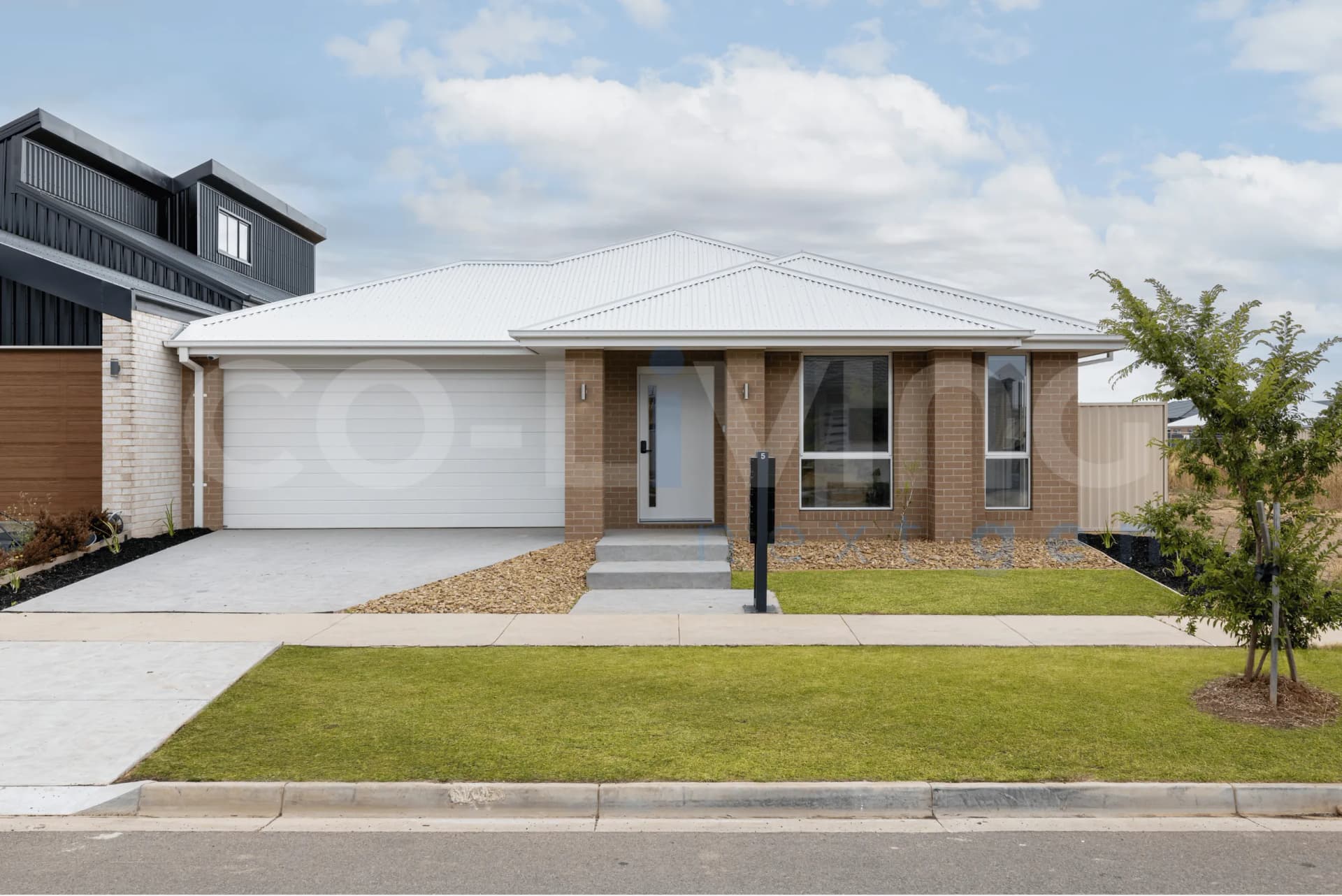
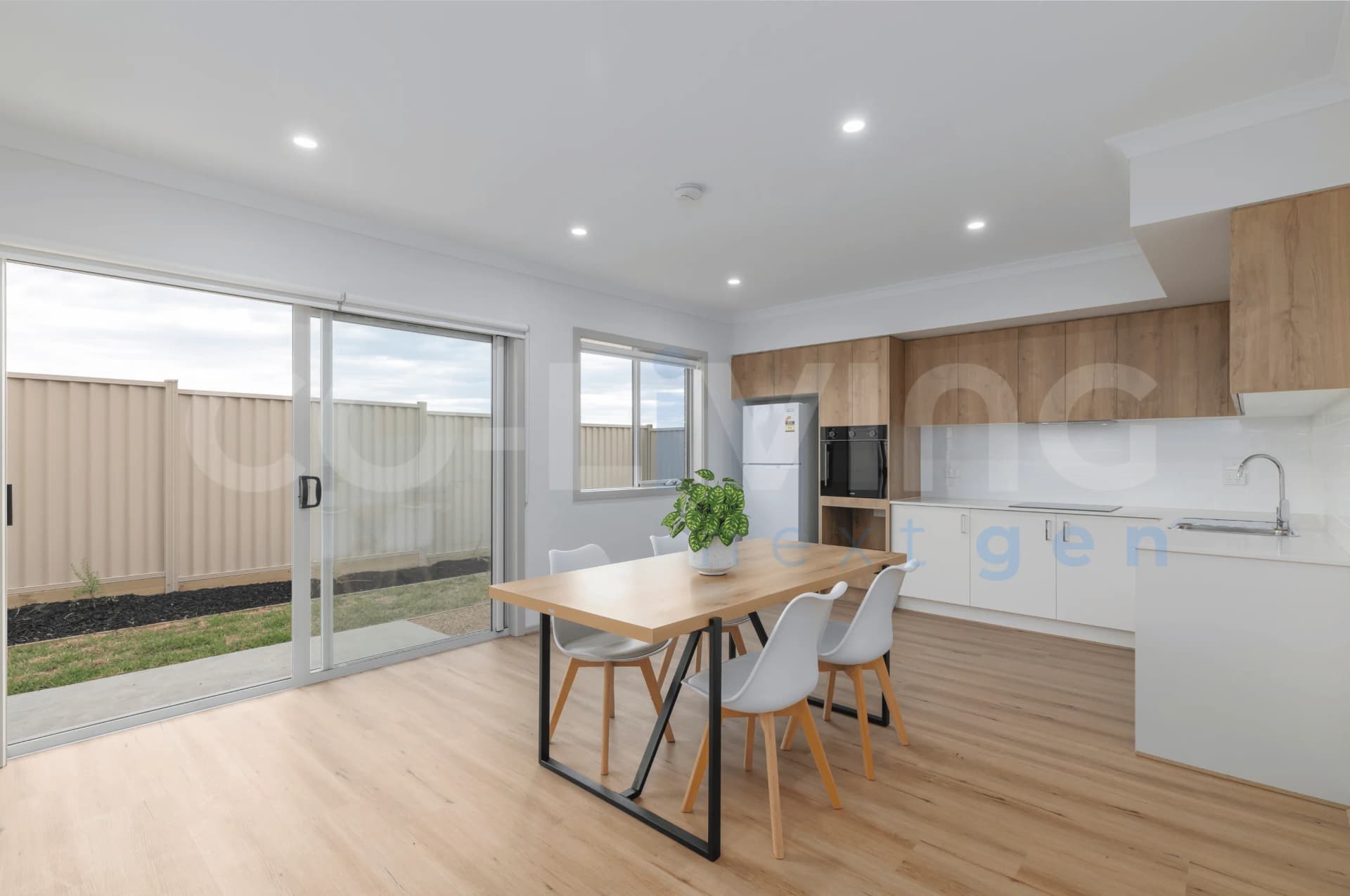
A house designed from the first drawing to be let room by room, typically with four to six bedrooms, each with its own ensuite and private living space, plus shared kitchen and living areas. In Victoria a property housing four or more residents on separate agreements is legally a rooming house, which brings council registration and operator licensing obligations.
Each resident signs their own agreement with the operator, pays their own rent, and has no liability for anyone else's. The investor owns one title and collects four to six income streams.
NDIS Specialist Disability Accommodation (SDA)
Housing built to enrolled design standards for NDIS participants who have SDA funding in their plan. Payments come from the National Disability Insurance Agency under the SDA Pricing Arrangements, and vary substantially by design category: Improved Liveability, Fully Accessible, Robust, and High Physical Support, as well as by building type and location.
Income is a combination of the SDA payment and a reasonable rent contribution from the participant. Crucially, the payment only flows when an eligible, SDA-funded participant is living in the dwelling. Fewer than one in twenty NDIS participants have SDA funding.
Capital Required
SDA generally requires more capital and more of it at risk before any income arrives.
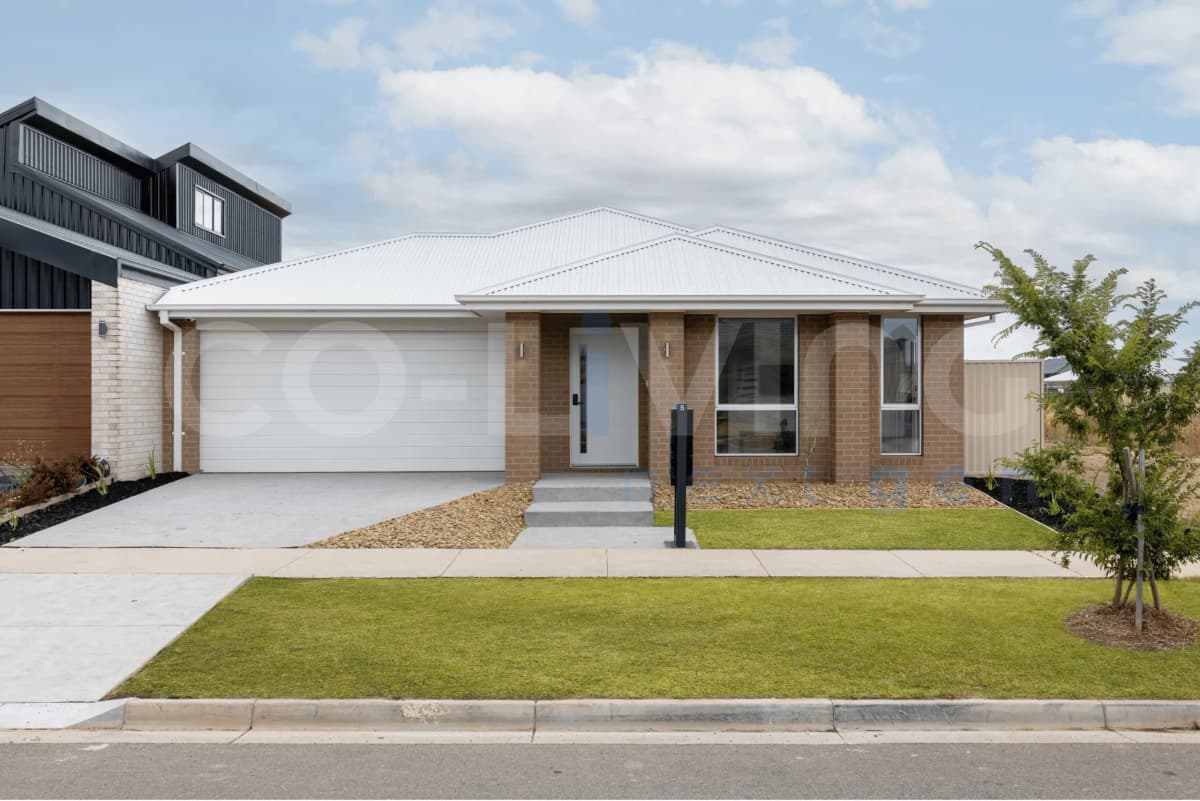
Co-living: a Co-Living NextGen home ranges from roughly $780,000 to just over $1 million depending on configuration and land, with a five-bedroom typically landing near $900,000. Standard residential lending applies in most cases.
SDA: typically $700,000 to $1.2 million and frequently higher for High Physical Support builds, which require ceiling hoists, structural reinforcement, backup power and fire sprinklers. Lending is harder, many mainstream lenders treat SDA as specialised security and apply lower LVRs.
Yield and Income Reliability
This is where the two diverge most sharply, and where the marketing on both sides is least careful.
Co-living
Across the Co-Living NextGen range, a five-bedroom home around $900,000 targeting roughly $91,000 a year gross sits near a 10% gross yield. Income is spread across five agreements, so one vacancy costs you about 20% of the rent, not all of it. Rents are set by the open market and adjust with it.
The offsetting reality: higher operating costs. Utilities are usually included in the rent, turnover is more frequent because tenancies are shorter, and compliance is ongoing. Net yield does not scale down from gross as cleanly as on a single-lease rental.
SDA
Headline gross yields of 10%–15% are commonly quoted, and they are achievable — but only at full occupancy by an eligible participant. The failure mode is brutal and binary: an SDA dwelling without a funded participant earns essentially nothing. Not reduced income. Nothing.
Vacancy periods of six to twelve months are not unusual, particularly for dwellings built in the wrong location or the wrong design category for local demand. Against that, a tenanted SDA property is exceptionally stable — tenancies often run for many years, and the payer is the Commonwealth rather than an individual.
You can model either against a standard residential purchase using our investment property calculator.
Tenant Demand
Co-living demand is broad and structural. Single-person households are the fastest-growing household type in Australia, rental vacancy across regional Victoria is extremely tight (Ballarat sits around 0.6%) and the target resident is simply a working person who wants an affordable, all-inclusive room. The pool of potential tenants is very large.
SDA demand is narrow, deep and geographically specific. The pool is small and there is genuine undersupply in particular categories and locations, which is why the payments are generous. But "undersupply nationally" does not mean "demand on your street". SDA success depends almost entirely on building the right design category in a location where funded participants actually want to live, ideally with a Supported Independent Living provider engaged before construction.
Regulatory Burden
Co-living (Victoria): two obligations. The premises must be registered with the local council as prescribed accommodation under the Public Health and Wellbeing Act 2008, renewed annually. The operator must hold a licence from the Business Licensing Authority under the Rooming House Operators Act 2016. An investor who engages a licensed operator or specialist manager does not personally need the operator licence.
SDA: the dwelling must be enrolled with the NDIS Quality and Safeguards Commission against the relevant design standard, and the provider must be registered. Design certification happens at both provisional and final stages, and getting the category wrong is expensive to remedy after the fact.
Neither is trivial. The practical difference is timing: co-living compliance is mostly an ongoing annual obligation, while SDA front-loads a long certification and enrolment process before any income can start.
Exit and Liquidity
This is the most underrated difference between the two, and the one most likely to matter when you actually need it.
A purpose-built co-living home is a house. If you sell it, the buyer pool includes co-living investors, rooming house operators, and because it is a conventional residential building with bedrooms and bathrooms ordinary owner-occupiers and standard rental investors. It can be valued against comparable sales.
An SDA dwelling, particularly a High Physical Support build with hoists and clinical fit-out, has a narrow buyer pool of SDA investors. Valuation is harder because comparable sales are sparse, and the resale price is tied to the ongoing viability of the SDA payment framework, which is policy, and policy changes.
Which One Suits Which Investor
Co-living is the better fit if you
Want yield materially above a standard rental without concentrating all income in one tenancy.
Prefer market-set rents over a government payment framework that can be reviewed.
Want a shorter path from settlement to income.
Care about being able to sell to a broad buyer pool.
SDA is the better fit if you
Have the capital and the holding capacity to absorb a long vacancy without distress.
Want very long tenancies and a government-backed payer.
Are willing to do genuine demand research, or partner with a provider who has, before committing to a location and design category.
Are motivated in part by the social outcome, which is a legitimate and common reason investors choose SDA.
Can You Do Both?
Yes, and some investors deliberately do. The two are close to uncorrelated: co-living income tracks the private rental market, SDA income tracks Commonwealth disability funding. An investor holding both is not doubling the same bet.
What rarely works is treating them as interchangeable because the headline yields look similar. They are different assets with different failure modes, and the diligence for each is different.
Where Co-Living NextGen Fits
We build purpose-built co-living homes in regional Victorian growth corridors, designed, registered and managed as compliant rooming houses from day one. Every bedroom has its own ensuite and private living area, council registration and building classification are handled before contracts are signed, and the properties are managed by a team that only manages co-living.
You can see the three standard configurations on our co-living investment packages page, or get in touch and we will walk you through the numbers for a specific suburb.
Frequently Asked Questions
Is NDIS property investment better than co-living?
SDA offers higher headline yields and government-backed payments but concentrates all income in one tenancy that can sit vacant for months. Co-living offers a strong yield spread across four to six independent agreements, faster time to income, and a much broader resale market. The right answer depends on whether you can absorb a long vacancy.
What yield does NDIS property actually return?
Gross yields of 10%–15% are commonly quoted and are achievable at full occupancy by an SDA-funded participant. The figure is highly sensitive to design category, building type and location, and it collapses to near zero during vacancy. Check the current NDIS Pricing Arrangements for SDA rather than relying on a marketed figure.
Is co-living legal in Victoria?
Yes. A property housing four or more residents on separate room agreements is legally a rooming house and must be registered with the local council, with the operator licensed by the Business Licensing Authority. Our guide to what a rooming house is covers the requirements in full.
Which has lower vacancy risk?
Co-living, by structure rather than by luck. Income is split across several tenancies, so a vacancy reduces income proportionally instead of stopping it. SDA vacancy is all-or-nothing and because the eligible tenant pool is small, filling a vacancy can take months.
Sources
NDIS Quality and Safeguards Commission — SDA provider obligations
Consumer Affairs Victoria — Rooming house operators licensing scheme
Australian Bureau of Statistics — housing and household composition
SDA yield ranges quoted here are indicative figures commonly cited in the market, not a quote or a projection. SDA payments are set by the NDIA and are subject to review — confirm current rates in the NDIS Pricing Arrangements for SDA before relying on any number. This article contains general information, not financial, legal or investment advice.