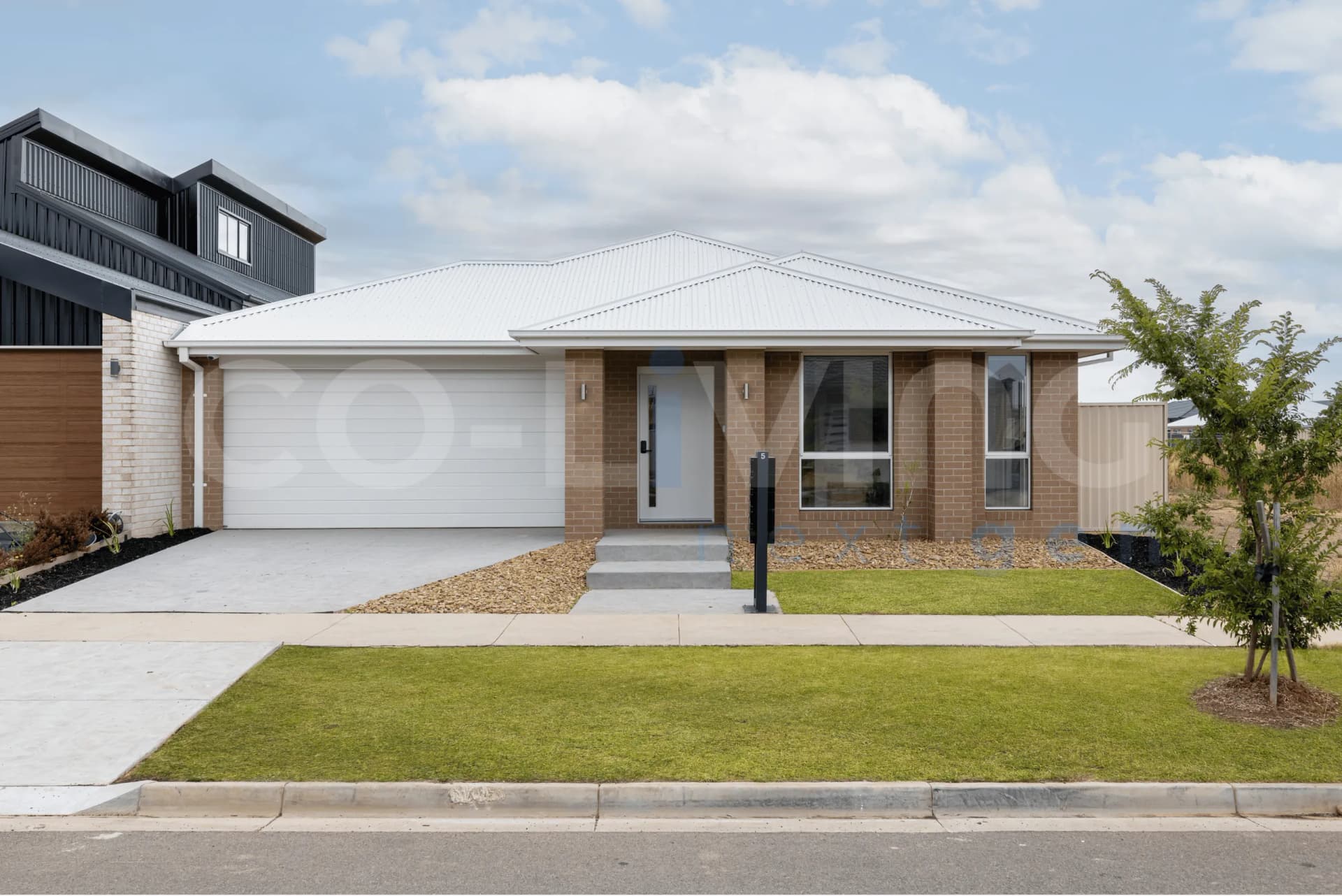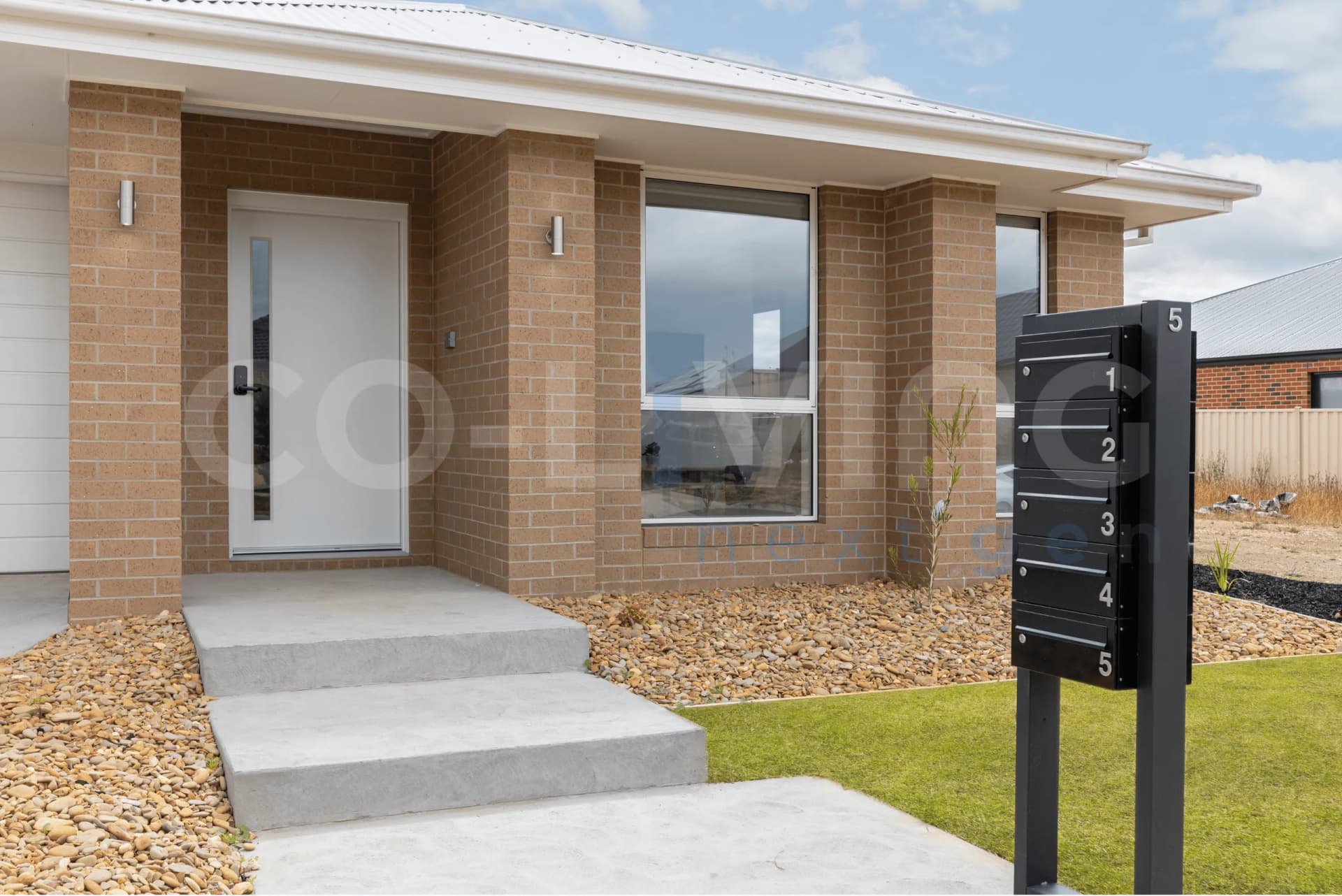
A rooming house is a building where one or more rooms are available to rent and four or more people can live there, each paying rent for their own room while sharing facilities like the kitchen and laundry.
This guide covers the legal definition, how rooming houses differ from boarding houses and share houses, the minimum standards that apply in 2026, what operators must do to register, resident rights, and why investors have started paying serious attention to this asset class.
Why Investors Are Looking at Rooming Houses in 2026
Three things have converged.
Demand is structural, not cyclical. Our own keyword research shows Australian search volume for "rooming house" roughly doubled between 2018 and 2026, with the inflection beginning in late 2022 as the rental crisis took hold. Vacancy rates across regional Victoria remain extremely tight: Ballarat sits around 0.6% and single-person households are the fastest-growing household type. Rooming houses supply exactly the product that shortage has created: an affordable, all-inclusive room for one working person.
The yield arithmetic is different. Renting one building room by room produces materially more gross income than leasing the same building to one household. A five- or six-room property let at market room rates can gross double what the same house would achieve on a single family lease, which is why well-executed rooming houses can be cash-flow positive from settlement while a conventional rental at the same price is not.
There is a land tax exemption. This is the one most investors miss. The Victorian State Revenue Office offers a land tax exemption for properties used as registered rooming houses. The criteria are strict — registration under Part 6 of the Public Health and Wellbeing Act 2008, at least one shared room for four or more residents, at least one resident in occupation, residents holding rights to their rooms and common facilities, no residents related to the owners or operators, at least 80% occupancy in the previous tax year by residents staying three months or more, and weekly tariffs below prescribed caps.
Purpose-Built Coliving vs Converted Rooming Houses
Not all rooming houses are the same asset. The market has effectively split in two.
Converted stock is an older house retrofitted to squeeze in four or more rooms. It typically has shared bathrooms, no acoustic separation, rooms sized to the 7.5 m² legal floor rather than to what a tenant will happily pay for, and a compliance history that has to be reverse-engineered. It is cheaper to acquire and consistently harder to fill, harder to insure, and harder to sell.
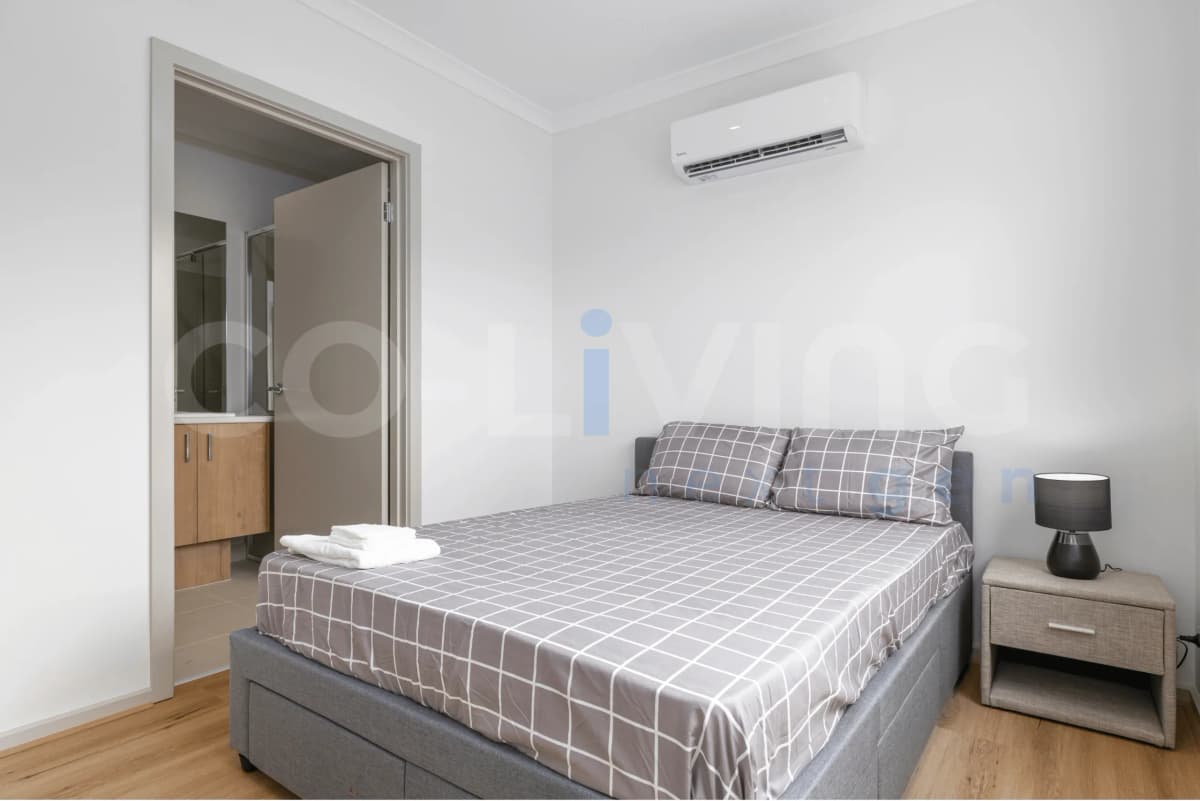
Purpose-built coliving is designed from the first drawing to operate as a rooming house — correct building class, ensuite and private living space per room, proper soundproofing, shared areas sized for unrelated adults, and compliance treated as a design input rather than a problem discovered at inspection. It costs more upfront and it is the version that actually achieves the room rates the spreadsheet assumes.
The gap between the two shows up in every number that matters: achievable room rent, days on market per vacancy, insurance premium, management difficulty, and resale liquidity. If you are comparing two rooming house opportunities on price alone, you are almost certainly comparing two different assets.
Where Co-Living NextGen Fits
Co-Living NextGen builds purpose-built co-living homes in regional Victorian growth corridors that are designed, registered, and managed as compliant rooming houses from day one. Every bedroom has its own ensuite and dedicated living area, the building classification and council registration are handled in-house before contracts are signed, and the properties are managed by a team that only manages co-living.
You can see the three standard configurations — NextGen 4, 5, and 6 — on our packages page, read how the end-to-end process works in our co-living system investment guide, or learn more about our specialist property management.
If you want to understand what a compliant rooming house investment actually returns in a specific suburb, get in touch with our team and we will walk you through the numbers.
Is a Rooming House the Same as a Boarding House?
Functionally yes, legally no, and the answer depends entirely on which state you are in.
"Rooming house" is the legal term in Victoria and Queensland. It triggers council registration, operator licensing, and a set of minimum standards that a normal rental does not have to meet. In Victoria, three tenants in a share house is a standard rental. Add a fourth person renting a room and the property is legally a rooming house, whether the owner intended it or not.
"Boarding house" is the term used in New South Wales, which has no rooming house category at all and regulates the sector through planning law and its own boarding house legislation. Other states use "residential service," "lodging house," or "supported residential facility" for related but distinct categories.
Rooming House vs Share House vs Standard Rental
The three arrangements look similar from the street and are completely different underneath. The distinction that matters most is who chooses the housemates.
Standard rental: One lease, signed by everyone on it, covering the whole property. The tenants are jointly responsible for the full rent. If one person leaves, the others carry the shortfall until they find a replacement, and the rental provider has to approve that replacement.
Share house: A standard rental where the tenants have informally divided the rooms and rent between themselves. Legally there is still one tenancy. Sub-tenants often have very weak protections. Below four occupants.
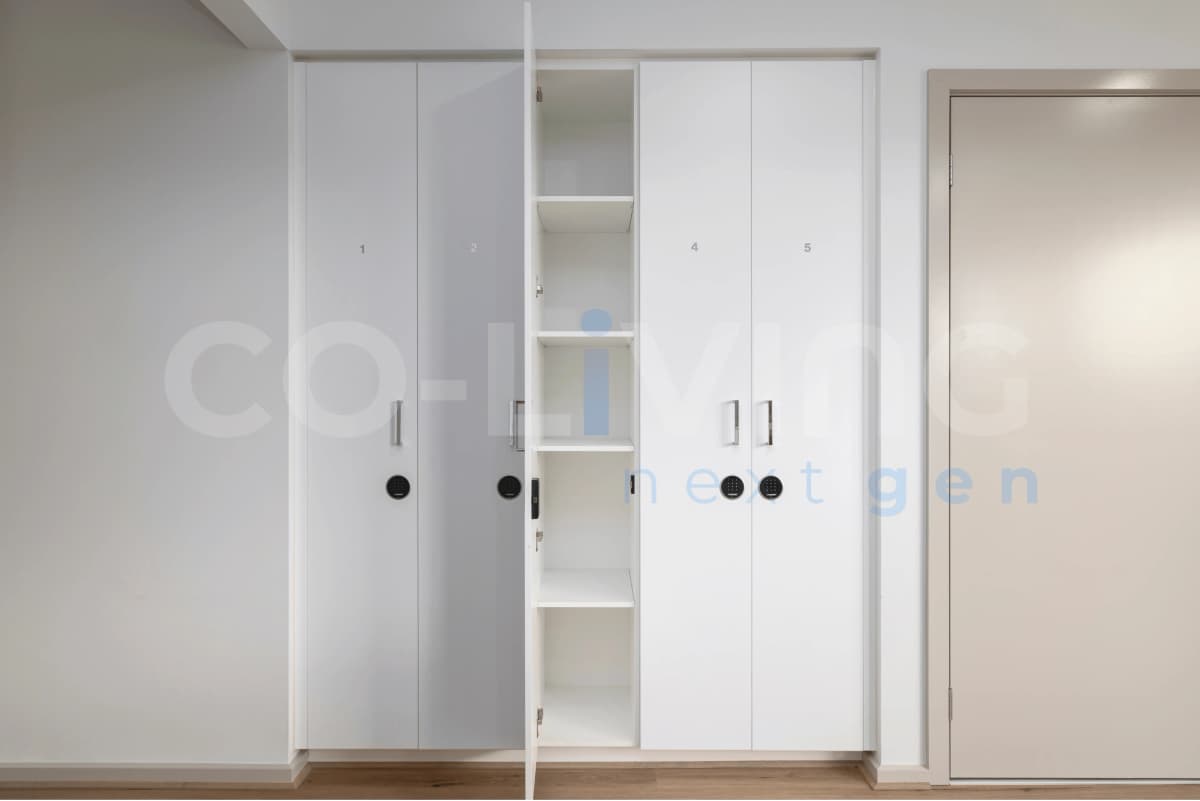
Rooming house: Each resident has their own separate agreement with the operator, covering their own room plus the right to use shared areas. Residents pay their own rent and are not liable for anyone else's. Crucially, the operator decides who moves in: existing residents have no veto, unlike a share house where the group typically picks the new housemate.
For an investor, that structural difference is the entire commercial case. Four to six separate agreements mean four to six independent income streams from one building, and the property is never fully vacant because one room turning over does not touch the others. It also means four to six times the administration, which is why specialist management matters.
How Does a Rooming House Work Day to Day?
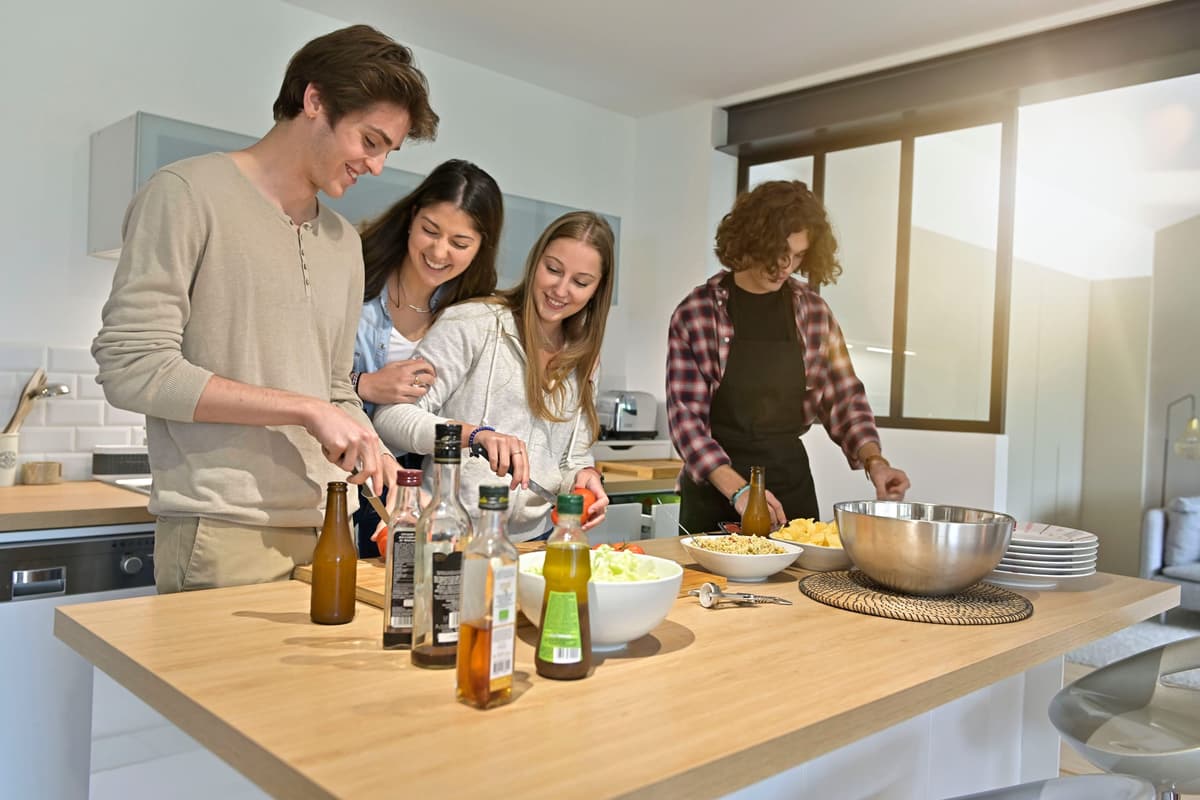
A resident rents a specific room. They get exclusive use of that room and shared use of the kitchen, bathrooms, laundry, and living areas. Rent is usually charged weekly and, in modern purpose-built properties, typically bundles electricity, gas, water, internet, and sometimes cleaning of common areas into a single all-inclusive figure.
The operator is responsible for keeping the property compliant, maintaining shared facilities, enforcing house rules consistently, filling vacant rooms, and handling the annual council registration renewal. Residents deal with the operator individually, not with each other.
Newer purpose-built stock has moved a long way from the reputation the sector carried a decade ago. The current model: private ensuite and private living space per room, proper acoustic separation between rooms, all bills included, is closer to a small serviced apartment than a traditional boarding house, and it targets working professionals rather than crisis accommodation.
What Is a Rooming House Owner or Operator?
Victorian law separates the two roles, and confusing them is a common and expensive mistake.
The owner holds title to the property. An owner who leases the building to someone else who runs it as a business does not need an operator's licence.
The operator runs the rooming house as a business, from premises they either own or lease. Consumer Affairs Victoria defines this as the individual or body corporate actually operating the business and this is the party that must be licensed.
So an investor who buys a rooming house and engages a licensed operator or specialist manager to run it is not personally required to hold the licence. An investor who decides to run it themselves is. Several roles are explicitly exempt from needing their own licence, including rooming house managers, officers of a licensed corporate entity, estate agencies that only handle leasing, building owners who lease to an operator, and registered housing associations and providers.
The Two Registrations Every Victorian Rooming House Needs
This trips up more first-time investors than any other part of the process. There are two separate obligations, with two different regulators, and you need both.
1. Council Registration of the Premises
Under Part 6 of the Public Health and Wellbeing Act 2008, the proprietor must register the premises as prescribed accommodation with the local council before it operates. The council inspects against health, amenity, and space requirements, and the registration must be renewed annually. Failing to register is an offence under section 67.
2. Operator Licence from the Business Licensing Authority
Under the Rooming House Operators Act 2016 (in force since 26 April 2017) the operator must apply for and be granted a licence before they start operating. The Business Licensing Authority assesses whether the applicant and all "relevant persons" associated with the business are fit and proper. Applications go through the myCAV online system, and a granted licence runs for three years.
The Rooming House Register
Consumer Affairs Victoria maintains a public rooming house register of licensed operators. It lists each licensee's name, ABN or ACN, and licence grant and expiry dates, plus records of cancelled licences and refused renewals along with the grounds. Anyone can search it free at the CAV registers site.
Rooming House Minimum Standards in Victoria
The Residential Tenancies (Rooming House Standards) Regulations 2023 set the privacy, security, safety, and amenity standards, and were significantly expanded by amendment regulations in 2024 covering energy efficiency and safety. Space requirements come from the prescribed accommodation regulations. The current position:
Room Sizes
For residents staying 31 days or more, minimum bedroom floor area is 7.5 m² for one resident, 12 m² for two residents, and an additional 4 m² for each further resident. Floor area includes any space taken up by a wardrobe or other built-in furniture, fixtures, or fittings — you cannot measure around the joinery.
Shared Facility Ratios
Toilets: at least one for every 10 people.
Bathing: at least one bath or shower, and one washbasin, for every 10 people.
Kitchen: one oven and cook-top set per 12 or fewer residents where rooms have no in-room cooking facilities, with refrigerator capacity scaling by resident numbers.
Laundry: one set of facilities and one washing machine per 12 or fewer residents.
Purpose-built properties usually run well ahead of these ratios. A six-bedroom home where every room has its own ensuite is meeting a one-to-one bathroom ratio against a legal minimum of one per ten — which is exactly why that stock commands higher room rent and lower vacancy than converted properties scraping the floor of the standard.
Recently Introduced Standards — Check Your Dates
Several standards have commenced in the last two years, and older properties are the ones most likely to be caught out:
Power outlets (from 26 February 2024): every resident's room must have at least two power outlets in working order and freely available to the resident.
Window coverings (from 26 February 2025): coverings must reasonably block light as well as provide privacy.
Fixed heating (from 1 December 2025): operators must install a fixed heater secured to a wall, floor, or ceiling in each resident's room. Portable heaters do not satisfy this. Qualifying types include electric ducted or hydronic systems, non-portable electric heaters, and air conditioners or heat pumps with a heating rating of two stars or better.
Energy-efficient heating (from 1 December 2030): a further tightening requiring energy-efficient fixed heaters.
Safety and Security
Each resident's room must have a lock that can be operated by a key from the outside and unlocked from the inside without a key. Shared bathrooms and toilets need privacy latches or bolts. Gas and electrical safety inspections are required every two years.
Rooming House FAQs
How many people make a property a rooming house in Victoria?
Four or more people renting rooms in the same building. Three or fewer is a standard rental.
Do I need a licence to own a rooming house?
Not necessarily. The licence attaches to the operator: the person or company running it as a business. An owner who leases the building to a licensed operator, or engages a specialist manager, does not personally need one. An owner who self-operates does.
Can I convert my existing house into a rooming house?
Sometimes, but it is harder than it looks. You need the right planning permission, the correct building classification, compliance with all minimum standards, council registration, and an operator licence. Getting 95% of the way there still means the property cannot legally operate.
How do I check if a rooming house is legal?
Check both registers. Search the Consumer Affairs Victoria public register for the operator's licence, then check the local council's register of rooming houses for the specific premises. The CAV register does not list addresses.
Is a rooming house a good investment?
It can be, and it is not passive. The returns come from higher gross rent and spread vacancy risk; the costs come from higher operating expenses, real compliance obligations, and management that a generic agent is not equipped to do. Done properly the numbers are strong. Done casually it is one of the faster ways to lose money in residential property.
Sources
Consumer Affairs Victoria — Rooming house operator definitions
Consumer Affairs Victoria — Rooming house operators licensing scheme
Consumer Affairs Victoria — Public register of rooming house operators
Residential Tenancies (Rooming House Standards) Regulations 2023 (Vic)
Rooming House Operators Act 2016 (Vic) s 7 — Offence to operate without a licence
Victorian State Revenue Office — Rooming houses land tax exemption
Department of Justice and Community Safety Victoria — Penalty unit values
This blog contains general information, not legal advice. Rooming house rules differ by state and change regularly. Check with your local government regulator and your local council before you buy, build, or operate.