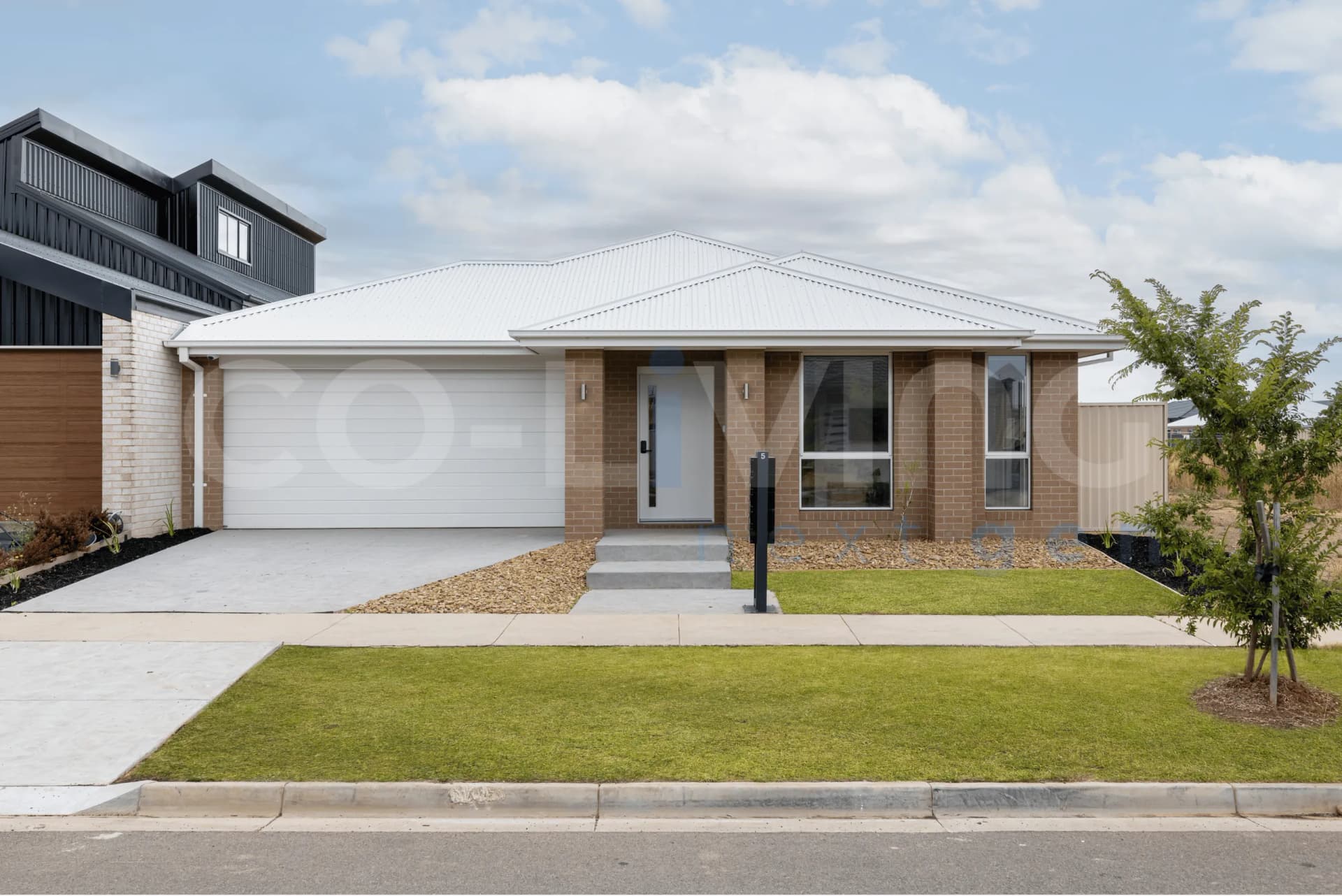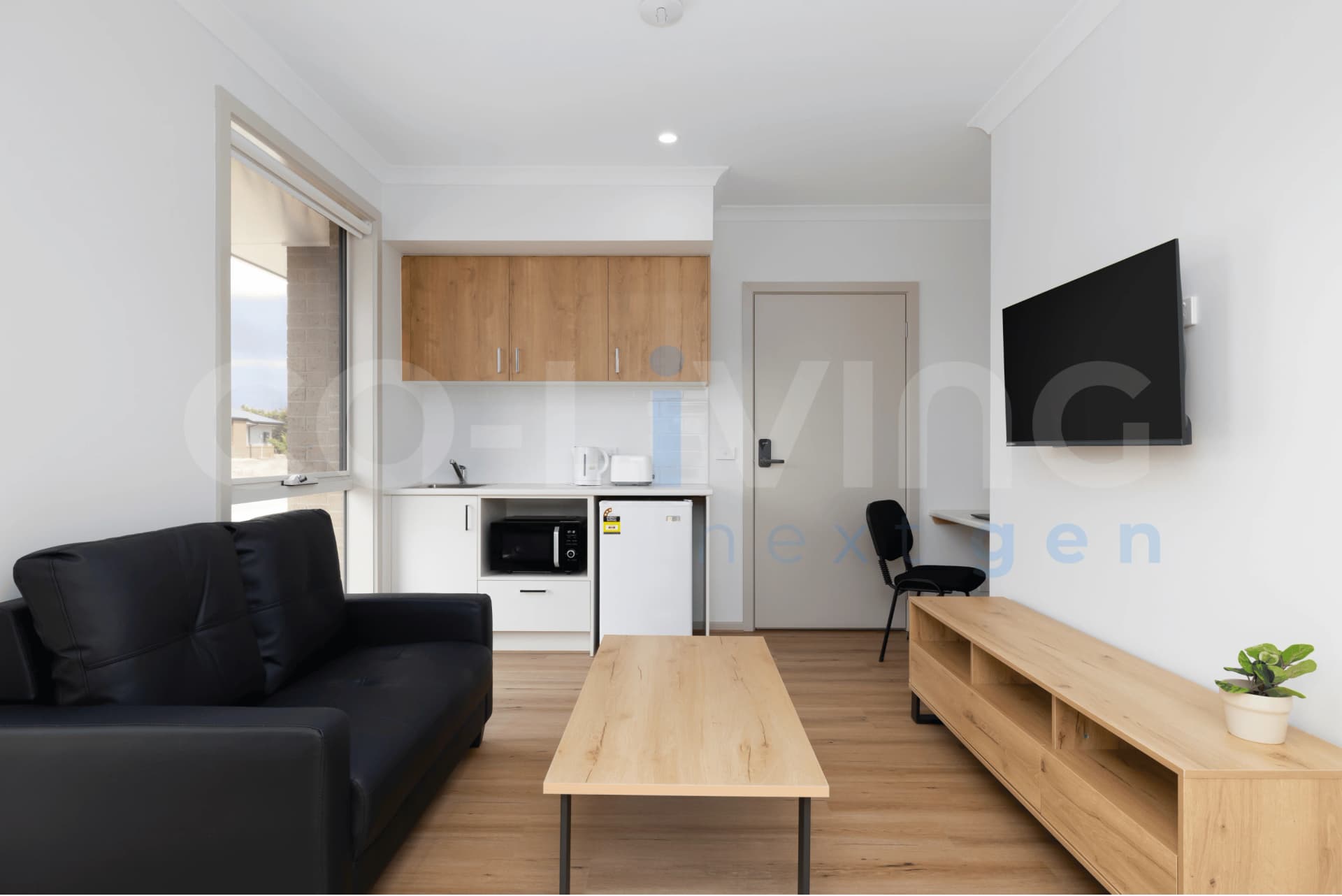
What Is a Co-Living Investment System?
A co-living investment system is a tried-and-tested process for buying, building, registering, and running purpose-built co-living property. Every step- from arranging finance to placing the first tenant is handled the same way every time. That is what makes the returns predictable instead of a gamble; essentially:
You are not buying a single property and hoping it works. You are getting access to a vetted playbook.
This guide explains what a genuine co-living investment system looks like in Australia, the rules it has to follow, and how the Co-Living NextGen system delivers each piece as one complete service.
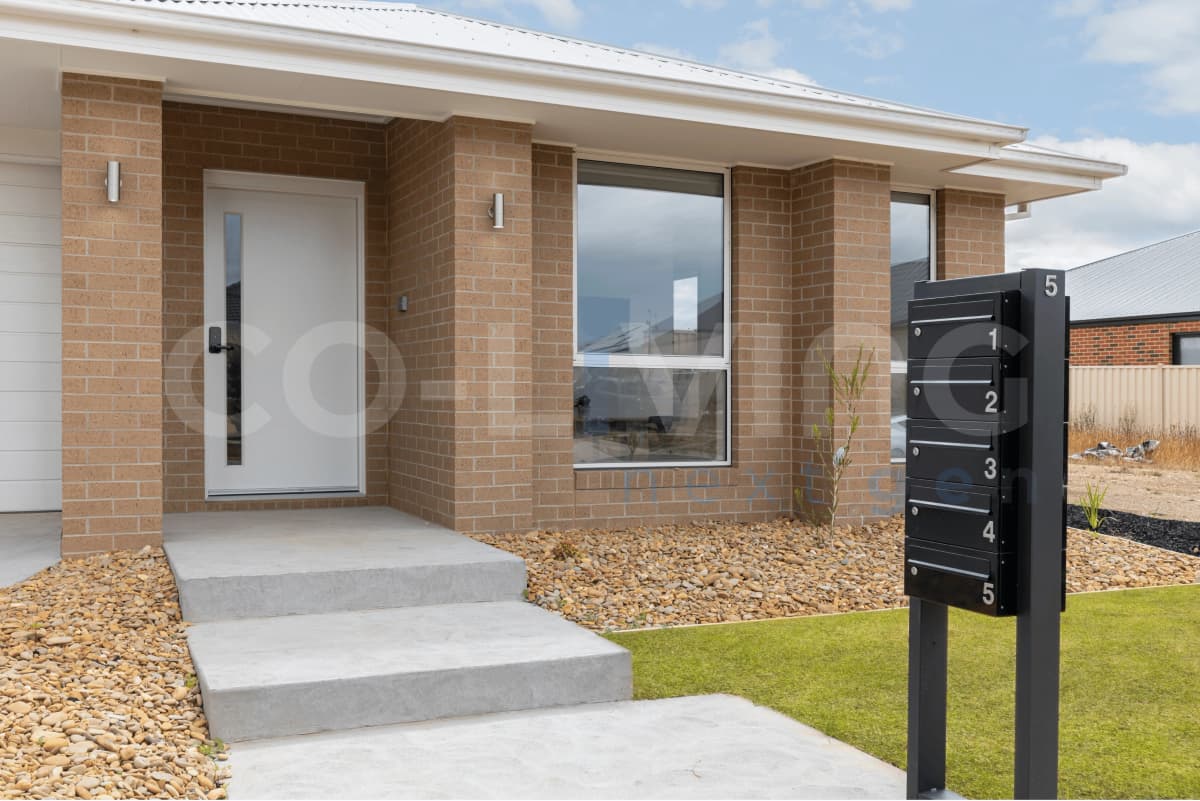
Why a Co-Living Investment System Matters
Co-living is not like owning a standard rental. There are multiple tenants on separate leases, higher fit-out standards, and mandatory council registration as a rooming house. Rent is set room by room, which only works if the local market has been properly researched. And the property has to be managed by someone who understands shared living, not a generic real estate agent.
Handle any one of these poorly and the investment case falls apart. A system solves all of them by default, and delivers three clear advantages:
Lower risk: Every rule, permit, and registration is taken care of before construction starts. Operating an unregistered rooming house in Victoria can trigger heavy penalties under the Residential Tenancies Act 1997 and void your landlord insurance. A system builds the compliance in, rather than trying to fix it later.
Higher return: Room-by-room rent only beats a single-family lease when the market, design, and management are all aligned. A system aligns them because the process is repeated the same way every time.
Repeatable results: One property is a transaction. A system lets you do it again and again, with the same expected return and the same amount of hassle each time. That is how you build a co-living portfolio instead of one lucky deal.
Common Failures When Investors Skip the System
Most investors who lose money on co-living do not lose it because the model is broken. They lose it because they tried to stitch it together piece by piece — a builder here, an agent there, a council permit somewhere in between. The same failure patterns show up every time:
Converted share houses: An older home retrofitted as "co-living". It does not meet rooming house standards, has no ensuites, and cannot charge the per-room rent the spreadsheet promised.
Unregistered rooming houses: Operating without council registration exposes you to fines, voided insurance, and a property you cannot legally sell as a co-living asset. In Victoria this is a real legal risk — not a paperwork inconvenience.
DIY conversions: Navigating planning permits, building codes, and rooming house standards across different councils is complex and unforgiving. Getting 95% of it right still means the property cannot legally operate.
Generic property managers: A standard real estate agent managing co-living the way they manage a rental will give you slow tenant placement, high turnover, and a property that degrades fast. Co-living management is a specialist job.
Guesswork on location: Buying in a suburb because it "feels" like it is growing — rather than because the vacancy rate, median room rent, population forecast, and council attitude all back it up. That turns the investment into a bet rather than a system.
The Five Components of a Proper Co-Living Investment System
Every reliable co-living investment system has to solve the same five things. Miss any one of them and the returns stop being engineered — they become hope.
1. Market Analysis Backed by Real Data
A good system starts with facts, not marketing material. That means checking median room rents versus whole-house rents, vacancy rates and their trend, population growth forecasts, the local employment mix, the types of tenants an area attracts (key workers, students, young professionals, NDIS participants), and how the local council feels about rooming house registration.
A suburb that looks attractive on a spreadsheet but has a council that blocks rooming houses is not an opportunity. It is a future dispute.
2. Strategic Site Selection
Once the market is validated, the next step is finding specific sites that can legally and commercially support a co-living home. That means checking zoning, lot size, street access, proximity to public transport and jobs, any council restrictions on what can be built, and whether a builder can actually deliver the standard design on that block.
Most one-off investors fail here. They pick a suburb and then look at any property. A system rejects 95% of stock before it even gets to the shortlist.
3. Compliance and Rooming House Registration
In Victoria, co-living properties are registered with the local council as rooming houses. They must meet the Rooming House Standards including minimum room sizes, fire safety rules, amenity requirements, and the correct building classification (Class 1b). Other states have their own equivalent frameworks.
A proper system treats compliance as a design input from day one, not a problem to fix after a failed inspection.
4. Purpose-Built Design
Purpose-built co-living is a completely different product from a retrofitted share house. Every bedroom needs its own ensuite and private living area. Between rooms you need proper soundproofing. You need storage, walkways, and shared areas designed for unrelated adults, not for a family.
Standardised floor plans are what make the economics predictable: known construction costs, known rental outcomes, and a known compliance path. Without standardisation, every project becomes a one-off with one-off risks.
5. Specialist In-House Management
Generic property managers underperform on co-living. Separate leases, higher tenant turnover, shared-area upkeep, and annual compliance renewals all need specialist attention. A genuine system uses managers who only manage co-living and ideally keeps that management in-house, so the standards that built the property also run it.
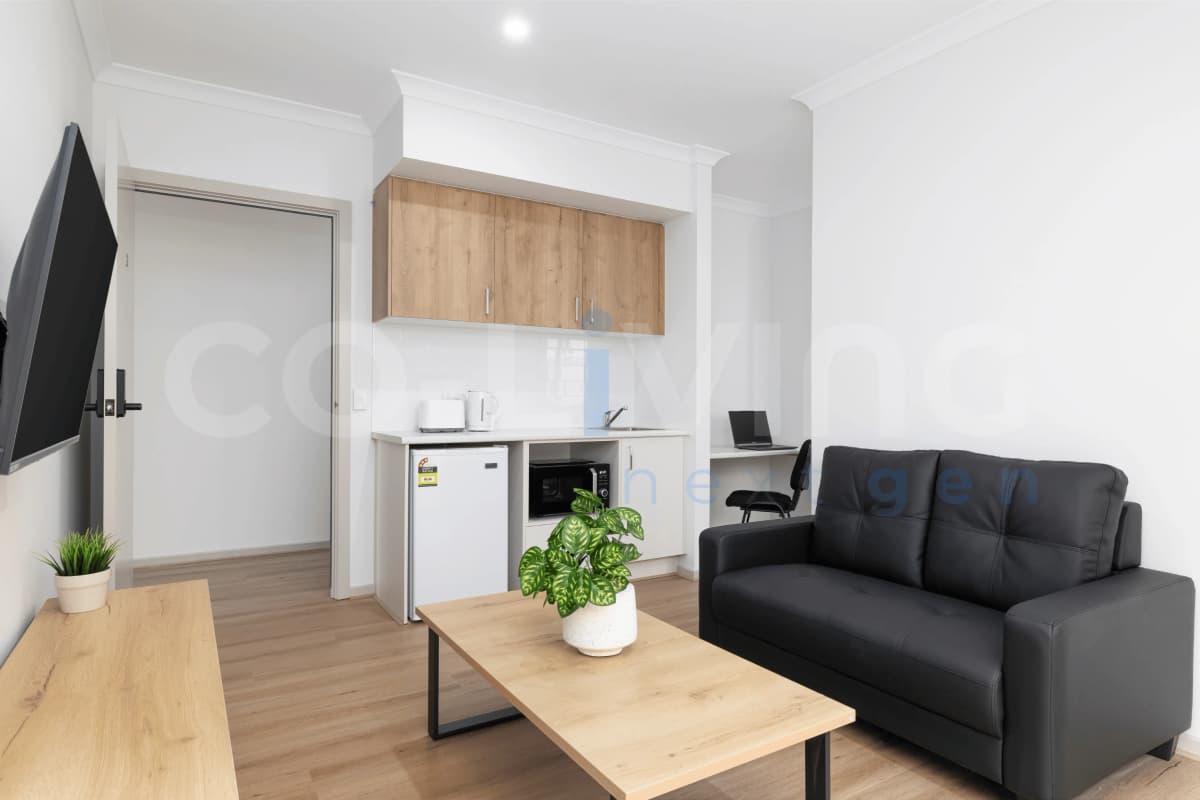
The Co-Living NextGen Investment System
Co-Living NextGen was built around these exact five components. Rather than sell you a house-and-land package and wave goodbye, NextGen delivers a six-stage system that takes you from finance strategy through to ongoing management as one single service.
Finance & Strategy: Access to finance brokers who understand how lenders assess room-by-room rental income and rooming house registration. The loan structure is matched to the asset from day one.
Strategic Site Selection & Package: Data-backed site selection in Victorian growth corridors, matched to a standardised NextGen floor plan with known build costs and modelled returns.
Contracts & Compliance: Planning permits, building classification, and rooming house compliance are all handled in-house. The biggest risk in co-living — building a property that cannot legally operate as a rooming house — is removed before contracts are signed.
Build & Oversight: Construction is coordinated by NextGen against a proven floor plan. Because the design is standardised, the build is predictable — not a one-off experiment.
Completion & Registration: The property is registered with the local council, all certifications are completed, and the asset is legally ready to operate before the first tenant moves in.
Leasing & Ongoing Management: Tenants are placed and the property is managed in-house by a team that only manages co-living. Rent collection, maintenance, compliance renewals, and tenant relations are all handled for you.
The NextGen product range is three standardised configurations each with a turnkey furniture package. Every bedroom gets its own ensuite bathroom and dedicated living area:
NextGen 4: 4 bedrooms, 4 bathrooms, 4 living areas
NextGen 5: 5 bedrooms, 5 bathrooms, 5 living areas
NextGen 6: 6 bedrooms, 6 bathrooms, 6 living areas
For a tour of a real Co-Living NextGen property see our NextGen packages page.
How the Numbers Actually Work
A co-living system investment beats a standard single-tenant rental on two simple points: more rent from the same building, and never 100% empty.
More Rent From the Same House
Instead of collecting one rent payment from one tenant, a co-living home collects rent from each room. Take a NextGen 5 at roughly $300 per room per week across five rooms. That is $1,500 per week from the same property.
The same house leased to a single family in the same suburb might rent for $600 to $700 per week. Co-living more than doubles the weekly rent from the exact same building. That is why the gross rental yield — annual rent divided by property price — on a well-designed co-living property sits well above the suburb average.
Never 100% Empty
With five or six separate leases, total vacancy is very unlikely. If one room turns over, the other four or five keep paying. On a standard single-tenant property, vacancy is all-or-nothing — the house is either fully rented or producing zero income. Co-living spreads that risk across every room, so the income stays steady.
Neither advantage is automatic. They only show up when the property is the right size, in the right location, registered correctly, and managed by a team that keeps rooms filled. That is what the system delivers.
Where the NextGen Co-Living Investment System Is Deployed
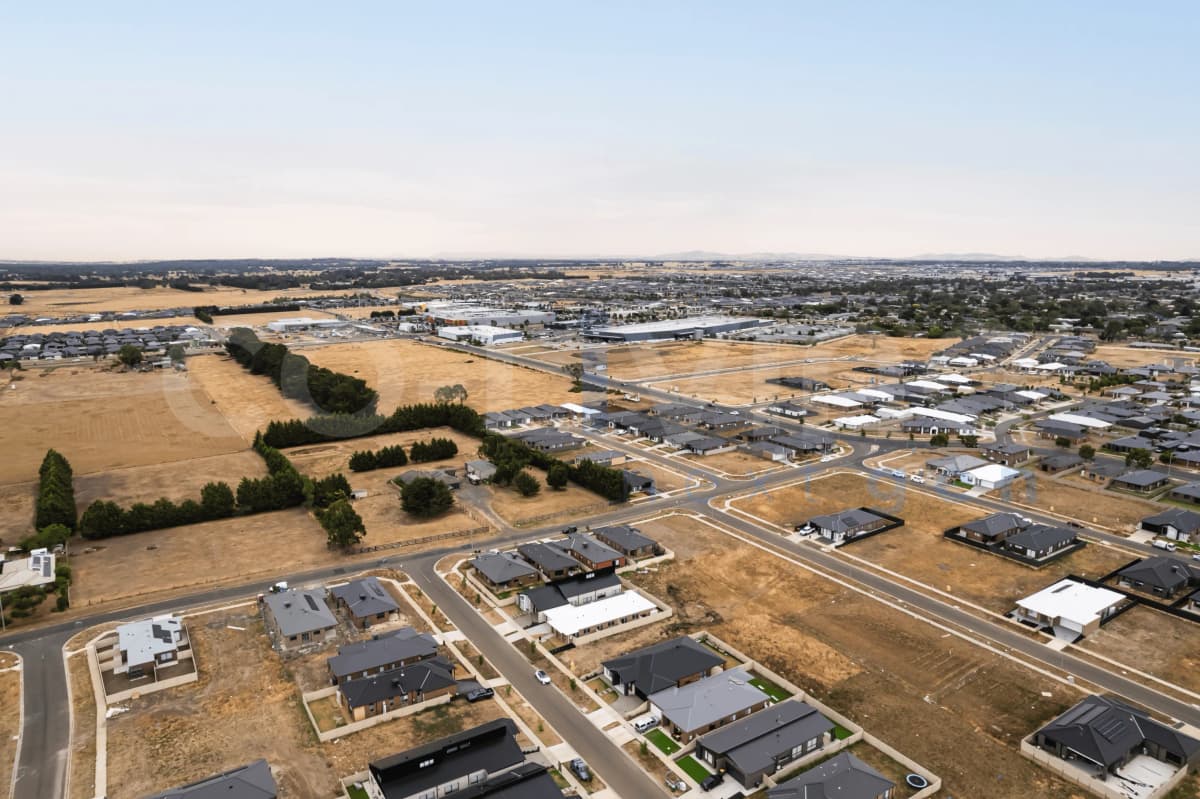
Co-Living NextGen focuses on regional Victorian growth corridors where land is still affordable, rental demand is strong, and the local population is growing. Current focus areas include Ballarat, Shepparton, the Latrobe Valley, and Wonthaggi.
Each location is chosen against the same filters: rental yield potential, low vacancy rates, population growth, employment fundamentals, and councils that are supportive of rooming house registration. Every location is validated with median rents, vacancy trends, population forecasts, employment growth, and infrastructure investment data. None of them are speculative picks. The whole point of a system is that the same filters are applied every time — and only the locations that pass are put in front of investors.
Who a Co-Living System Investment Suits
The NextGen system is designed for more than one kind of investor:
First-time investors who want a strong-yielding entry into property. The higher rental return helps offset mortgage repayments and build equity faster than a traditional rental.
Experienced portfolio holders who want to lift the average return across their existing portfolio by adding a high-performing co-living asset alongside traditional properties.
Self-managed super fund (SMSF) investors who want a compliant, high-yield residential asset that fits their retirement strategy without adding day-to-day workload.
Interstate and overseas investors who need a fully managed, hands-off Australian investment because they cannot be physically present to run the property themselves.
What connects all four is the same requirement: a single provider who delivers the property, the compliance, and the management as one integrated service. That is exactly what the NextGen system is built to do.
Ready to Invest in a Co-Living System, Not Just a Property?
If you are evaluating a co-living system investment and want a clear, compliant, fully managed path from finance strategy to ongoing tenant management, Co-Living NextGen is built for exactly that. The complexity is handled end-to-end — you see the returns.
Get in touch with our team to discuss which NextGen configuration suits your strategy.