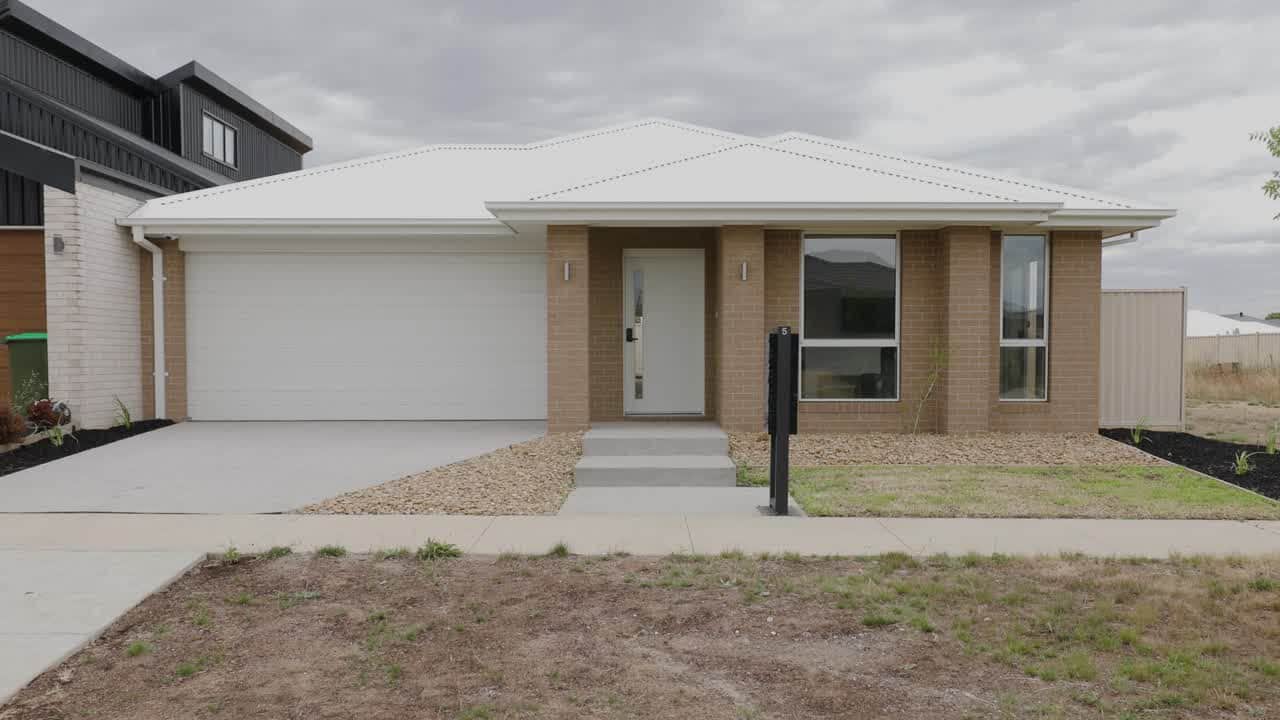
The Next Generation
of Property Investment
Access premium co-living properties delivering 10%+ guaranteed returns across Victoria.
See How It Works
What is Co-Living?
Co-Living is a modern form of shared housing where residents get a private bedroom in a furnished home with shared common areas.
Flexible Living
Co-Living offers a balance of personal privacy and shared areas, adapting to different lifestyles and needs.
Community
Residents connect with like-minded individuals and build lasting relationships.
Sustainability
Reduce environmental impact through shared resources and spaces.
Step Inside a Co-Living Property
Watch the video below to take a walk through a fully furnished NextGen Co-Living property.
NextGen Packages
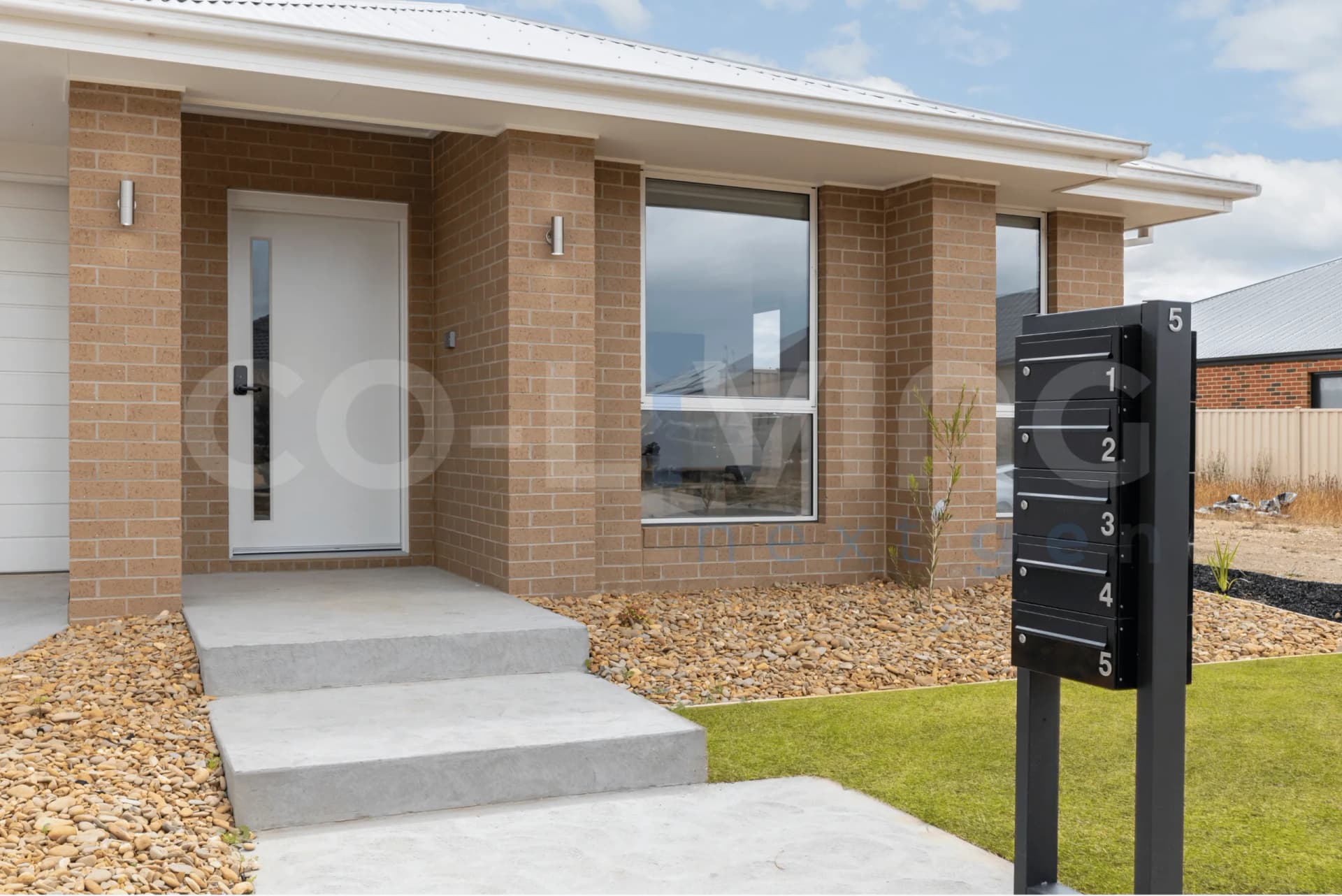
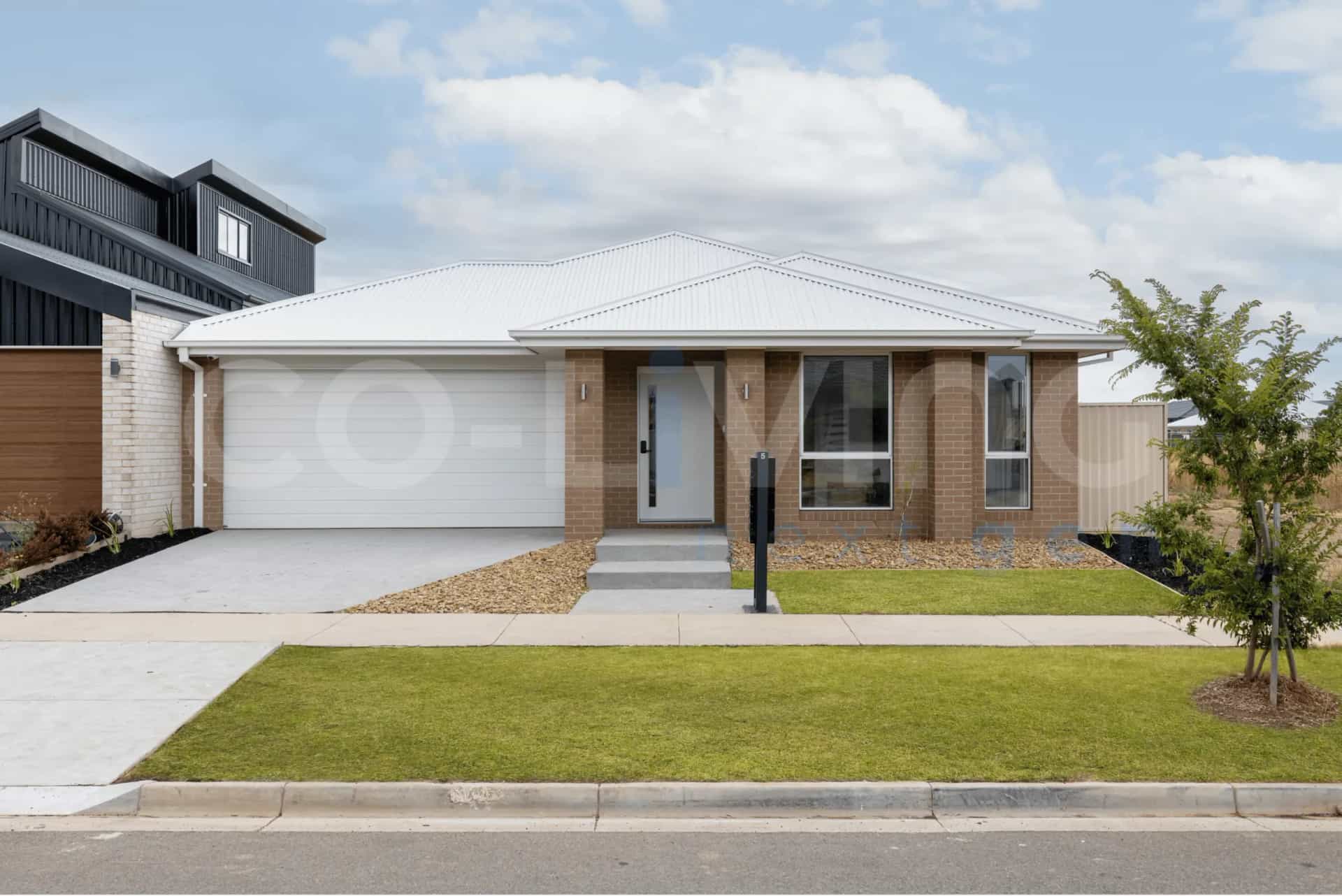
Our NextGen packages bring together both land and build into one complete solution, with floor plans offering a total of 4, 5, or 6 independent units.
NextGen
4
independent units
NextGen
5
independent units
NextGen
6
independent units
Each unit includes a:
The NextGen Difference
NextGen is bringing Co-Living to the next level with high yields, premium packages with unique private living for each tenant.
ANNUAL GROSS INCOME
$0+This figure shows the annual income generated from leasing 6 units, showcasing the substantial income of the NextGen 6 package compared to traditional investments like single-tenant houses at the rate of three to four times.
GUARANTEED RETURN FOR 5 YEARS
0%+Our packages come with a 5 year rental guarantee, providing no investment risk to the investor with guaranteed returns.

Other Rooming House / Co-Living Models
- No rental guarantee
- Shared living spaces: kitchen, bathrooms, TV with limited privacy, personal space, storage options and independence
- No dedicated property management team leading to poor maintenance
- Partially or unfurnished units, requiring additional investment
- Shared tenant responsibilities for cleaning and maintenance
Co-Living NextGen
- 5-year rental guarantee, providing peace of mind to investors
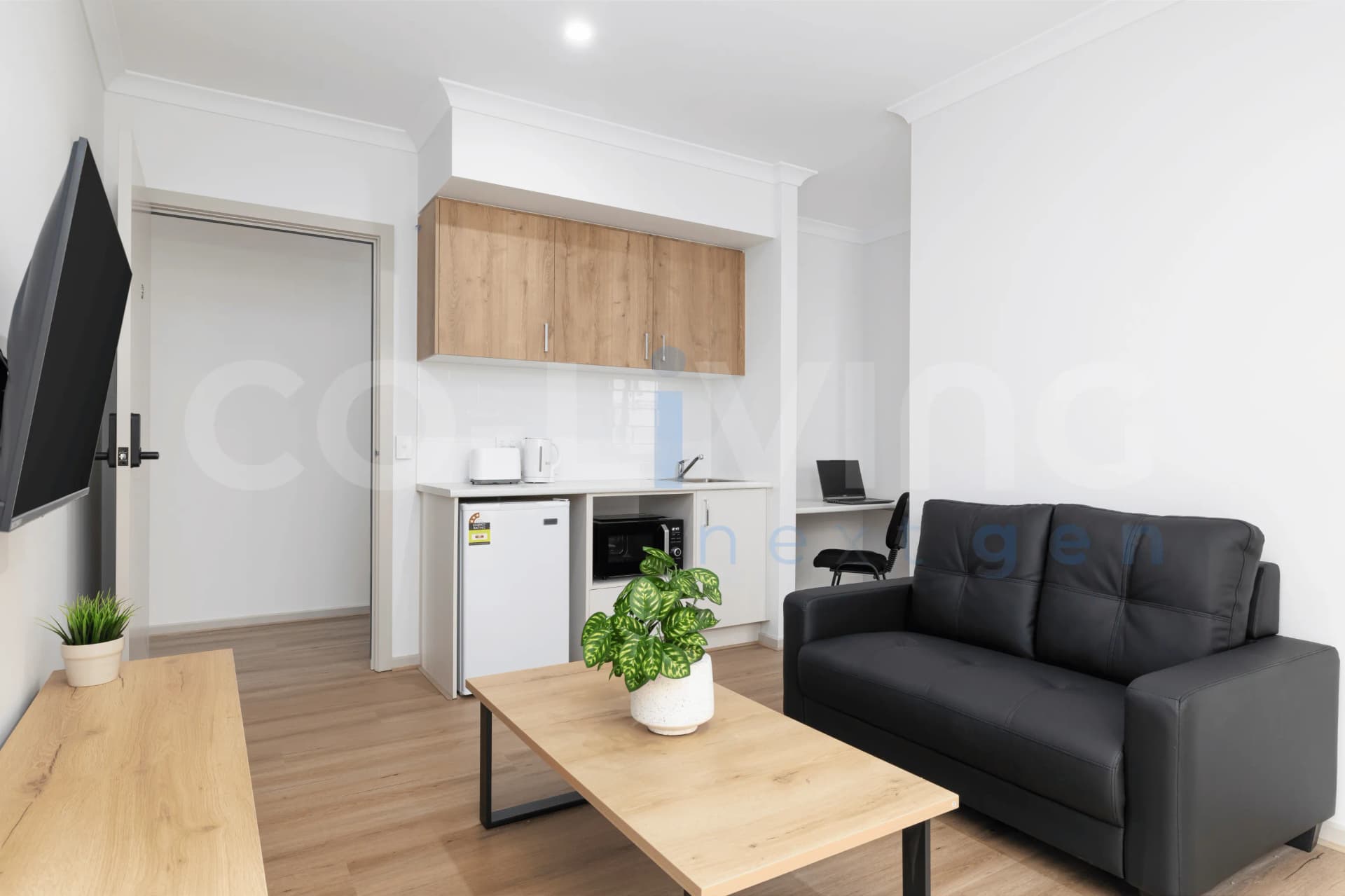
- Private living spaces: Each self-contained unit offers a bedroom, bathroom, kitchenette, and study area, providing comfort and independence
- Dedicated property management team ensures hassle-free maintenance
- Units come fully furnished as part of our Turn-Key Package Solution
- No shared tenant responsibilities: Maintenance, Wi-Fi, electricity, water are all included in rent
I am interested in…
How You Can Sell NextGen
Co-Living NextGen is looking for agencies to work with to provide exclusive access to a new and exciting property market to their clients.

By partnering with Co-Living NextGen, you'll gain access to:
- Your exclusive stock sheet of Co-Living NextGen packages
- Marketing materials and support
- Training on the Co-Living model and its benefits
Join us in revolutionising the housing market and providing innovative living solutions!
Co-Living Properties
Co-living is a modern form of shared housing where residents occupy a private, self-contained unit within a purpose-built property that shares common amenities.
Australia faces a significant housing undersupply: only 177,000 dwellings were completed in 2024 against an estimated demand of 223,000, and the National Housing Accord is forecast to fall 262,000 homes short of its 1.2 million target by mid-2029.
At the same time, the ABS projects lone-person households will increase from 2.64 million in 2021 to up to 3.96 million by 2046, representing over a quarter of all Australian households. Co-living directly addresses this gap by delivering affordable, self-contained housing at a higher density than traditional builds.
Co-living is growing because it delivers higher rental returns for investors and better living conditions for tenants. Instead of shared bathrooms and kitchens, tenants enjoy private, self-contained living with everything included.
According to CoreLogic, the national average gross rental yield for Australian residential property sits between 3.7% and 5.0%, with Melbourne inner suburbs as low as 2–3%.
Co-living properties generate income from multiple independent tenancies within a single dwelling, often delivering gross rental yields of 10% or more, roughly three times the metropolitan average. Each tenant holds a separate lease, so a vacancy in one unit does not eliminate all rental income, giving investors diversified cash flow from day one.
Yes, co-living properties in Victoria operate as registered rooming houses under the Residential Tenancies Act 1997 and the Residential Tenancies (Rooming House Standards) Regulations 2023. Operators must be licensed with the Business Licensing Authority and properties registered with the local council.
No, Co-Living properties range from retrofitted houses and converted duplexes to purpose-built residences. Co-Living NextGen properties are purpose-designed to meet strict planning guidelines and modern tenant expectations, which is what sets them apart from older-style rooming houses.
Every NextGen package is a complete turn-key solution. Each unit comes with a 55" flat-screen TV, digital door lock, convection oven, fridge, double bed, lamp, desk, chair, TV unit, two-seater couch, and coffee table. The common area includes a dining table and fridge.
The property also includes a 3.1kW solar system, 2.5kW split-system A/C in every unit and the communal area, and full front and rear landscaping with private fenced outdoor areas and concrete pads for each unit.
The NDIS (National Disability Insurance Scheme) funds housing for people with disabilities requiring specialist care. NDIS properties rely on government-funded tenants and cannot be rented to the public.
NextGen co-living can house essential workers and general market tenants, providing greater flexibility.
NextGen properties often deliver gross rental yields of 10% or higher. A NextGen 5 property, for example, generates over $90,000 in annual gross rental income from five self-contained units. All NextGen packages include a 5-year rental guarantee, eliminating vacancy risk during the initial holding period.
Real estate agencies and independent agents can register as a Co-Living NextGen channel partner through the form on our website.
Once approved, partners receive access to an exclusive property portal with live stock sheets, brochures, marketing materials, and ongoing training, while Co-Living NextGen handles all development, construction, and rooming house registration.
Yes, Co-Living NextGen works with finance brokers who specialise in Co-Living and understand the commercial valuation process. Applications are supported by independent legal valuations and the rental guarantee included in every NextGen package.
Risks can include small room sizes, poor layouts, low build quality, and unfurnished properties. NextGen avoids these issues by delivering spacious, well-designed, fully furnished units with quality finishes and access to outdoor areas.
