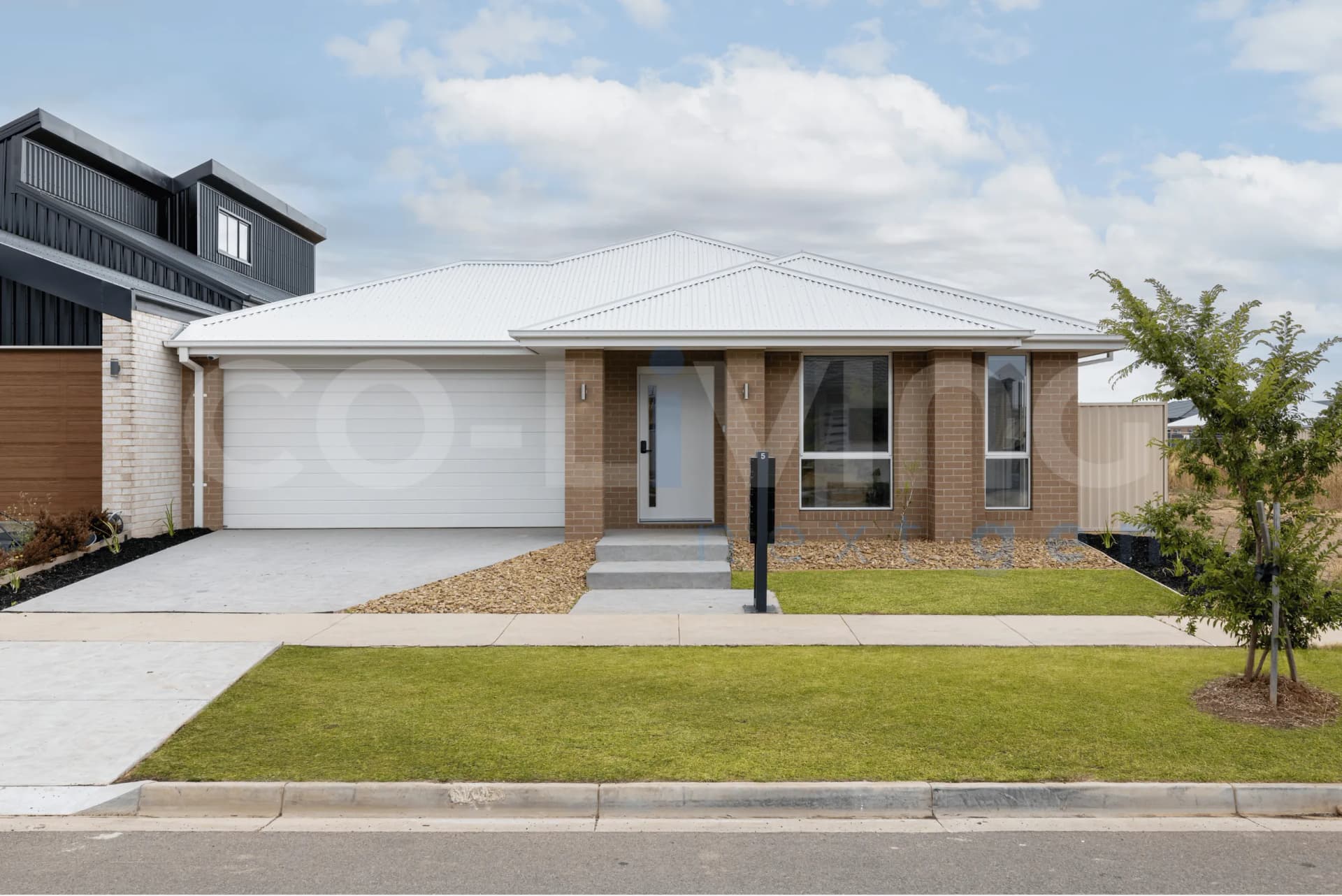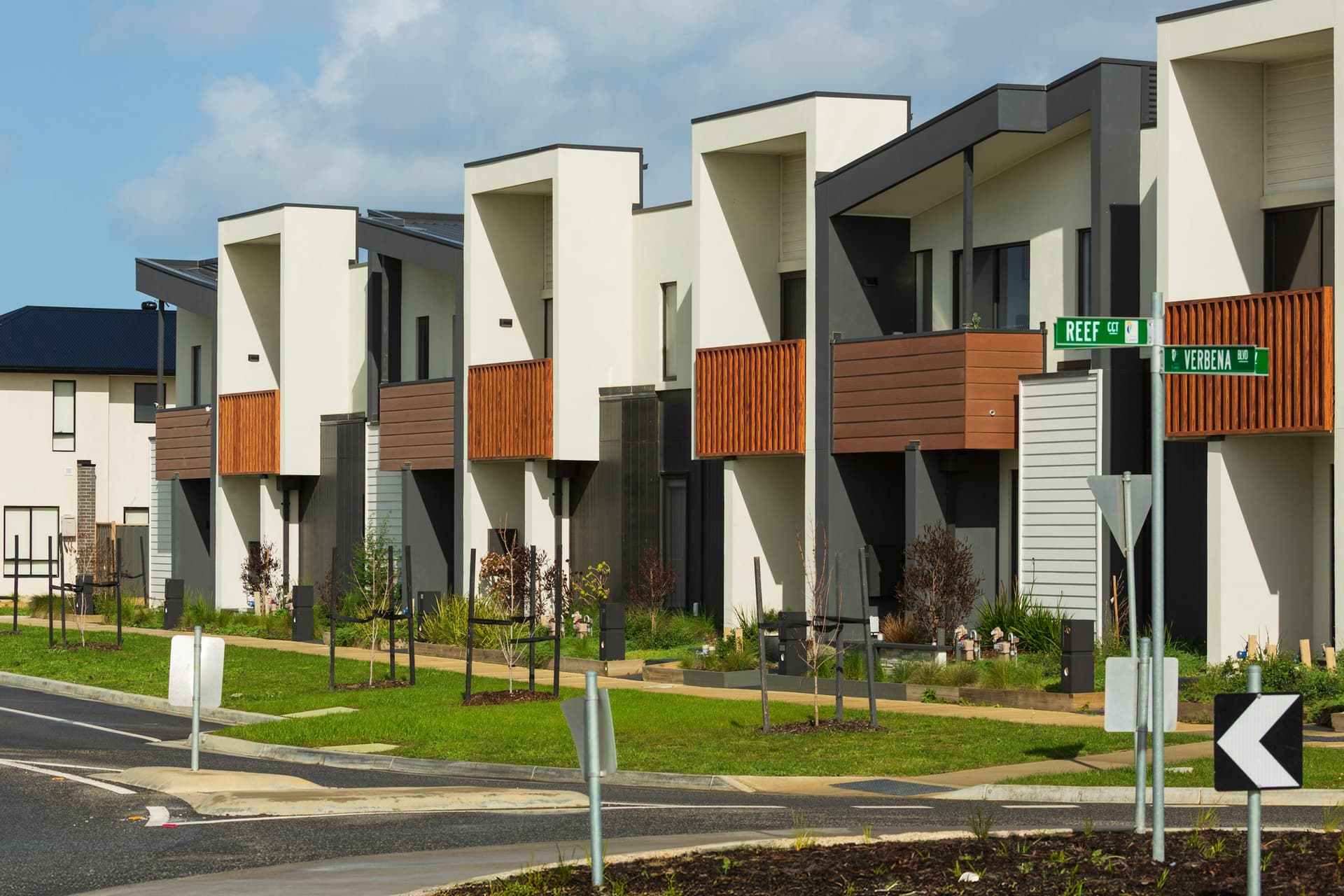
In Australia, a good gross rental yield is generally 5% to 6%, anything above 7% is high, and most capital-city houses sit well below that at roughly 2.5% to 4%. The right number for you depends on whether you are buying for income or for growth.
Rental yield is the single most-quoted number in property investing and one of the most casually misused. A yield quoted without saying whether it is gross or net, and without saying what it is being compared against, tells you almost nothing.
This guide sets out what the benchmarks actually are in 2026, why a "good" yield in Ballarat is a different number from a "good" yield in Brighton, and where purpose-built co-living sits against all of it.
If you want to run your own numbers: use our investment property calculator. It will give you gross yield, net yield and weekly cashflow from a purchase price and a rent figure.
What Counts as a Good Rental Yield in 2026
There is no single national number, because yield is a function of the ratio between property prices and rents, and that ratio varies enormously by location and property type.
These are the ranges you will typically see quoted across the Australian market:
By property type
Property type | Typical gross yield | Why it sits there |
|---|---|---|
Capital-city house | 2.5%–4% | High land values push prices up faster than rents. Bought for capital growth and funded from salary. |
Capital-city unit | 4%–5% | Lower entry price and proportionally higher rent, but body corporate fees hit net yield hard. |
Regional house | 4%–6% | Cheaper land, rents up sharply since 2022, and very tight vacancy in regional centres. |
Co-living / rooming house | 8%–12% | Four to six separate room agreements in one building. A different income structure, not a better version of the same one. |
What the thresholds mean in practice
Under 3%
You are almost certainly negatively geared and funding the shortfall from your salary. That can still be a rational strategy if capital growth is strong, but it is a growth play, not an income one.3%–5%
The broad Australian average band. Typically still cashflow-negative or roughly neutral once interest, rates, insurance and management are paid.5%–7%
At current interest rates this is roughly where a property starts having a realistic chance of covering its own costs.Above 7%
A high yield. Sometimes it reflects a genuinely different income model such as co-living or NDIS housing. Sometimes it reflects a property in a town with a single employer, a declining population, or a building with problems that the rent is compensating you for.
Gross Yield and Net Yield Are Not the Same Number
Gross rental yield is annual rent divided by purchase price. It ignores every cost of ownership, which is exactly why agents and marketers quote it.
Net rental yield subtracts the actual running costs: council rates, water, insurance, property management, maintenance, body corporate where applicable, and an allowance for vacancy before dividing by the total purchase cost including stamp duty and acquisition fees.
The gap between the two is usually larger than people expect. A property advertised at 6% gross commonly lands somewhere near 3.5%–4% net once everything is counted. That gap is where most first-time investors get caught, because the repayments are calculated against the real number, not the advertised one.
Our investment property calculator shows both side by side, along with the weekly cashflow position, so you can see exactly how much of an advertised yield survives contact with the expenses.
Why "Good" Depends Entirely on Your Strategy
Yield and capital growth tend to pull in opposite directions. The suburbs with the strongest long-term price growth are usually the ones where prices have already outrun rents, which is precisely why their yields are low. The reverse is also true.
So the honest answer to "what is a good rental yield" is another question: what is this property for?
If you are buying for capital growth, a 3% yield in a blue-chip suburb may be entirely appropriate, provided you can comfortably fund the shortfall for a decade and your borrowing capacity is not the constraint.
If you are buying for income to service debt, to replace salary, or to keep borrowing capacity intact for the next purchase then anything under about 5.5% is working against you, and you should be looking at regional markets or a different income structure entirely.
If your borrowing capacity is the binding constraint, yield stops being a preference and becomes the whole game. Lenders assess serviceability on rental income. A high-yielding property can preserve your ability to buy again; a low-yielding one can end it.
We cover this trade-off in more detail in our guide to positively geared property.
What Co-Living Does to the Yield Equation
Purpose-built co-living does not produce a better yield by finding a cheaper house. It produces a different yield by changing the income structure of the building.
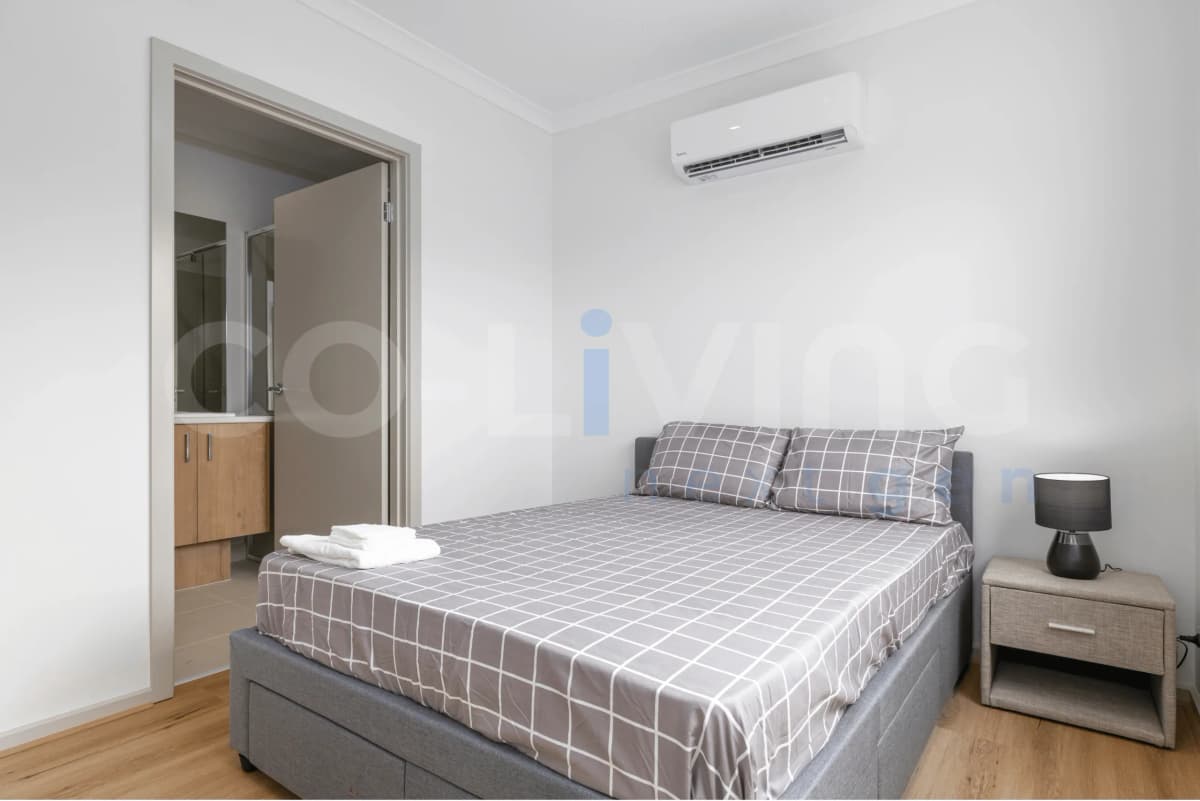
A conventional four-bedroom rental has one lease, one household and one rent. A purpose-built co-living home of the same footprint has four to six separate room agreements, each with its own resident paying their own rent for their own ensuite bedroom and private living space. The building costs more to construct, and it produces materially more gross income.
Across the Co-Living NextGen range, a five-bedroom home at a package price around $900,000 targeting roughly $91,000 a year in gross rental income lands close to a 10% gross yield which is roughly two and a half times what a standard capital-city house returns, and comfortably above the regional average.
Three honest caveats belong with that number:
Operating costs are higher. Four to six agreements mean four to six times the administration, tenant turnover and utilities are usually included in the rent, and compliance is an ongoing obligation rather than a one-off. Net yield does not scale from gross as neatly as it does on a single-lease rental.
It is not passive. A generic property manager is not equipped to run a rooming house. This is why Co-Living NextGen properties are managed by a team that only manages co-living.
Vacancy behaves differently (usually in your favour). One room turning over costs you a fraction of the income, not all of it. A conventional rental is either 100% occupied or 0% occupied.
The demand side is what makes the rents durable rather than optimistic. Vacancy across regional Victoria remains extremely tight (Ballarat sits around 0.6%) and single-person households are the fastest-growing household type in the country. Co-living supplies exactly the product that shortage has created.
You can see the three standard configurations and their current package pricing on our co-living investment packages page.
Rental Yield FAQs
What is a good rental yield in Australia?
Between 5% and 6% gross is generally considered good, and above 7% is high. Capital-city houses commonly sit at 2.5%–4%, regional houses at 4%–6%, and purpose-built co-living or rooming houses at 8%–12%. What counts as good depends on whether you are buying for income or capital growth.
Is 3% rental yield bad?
Not necessarily, but it is a growth strategy rather than an income one. At 3% gross the property will almost certainly be negatively geared, meaning you fund the shortfall between rent and expenses from your own income. That is defensible in a suburb with strong long-term capital growth, provided you can sustain the cost and it does not exhaust your borrowing capacity.
Is 4.5% rental yield good?
It is about average for the Australian market and reasonable for a unit or a regional house. It is unlikely to be cashflow-positive at current interest rates once you account for rates, insurance, management and maintenance, but it is close enough to neutral that the holding cost is manageable for most investors.
What does a 7% rental yield mean?
It means annual rent equals 7% of the purchase price. A $700,000 property producing $49,000 a year. That is a high yield by Australian standards and usually signals one of two things: a genuinely different income model such as co-living, rooming house or NDIS housing, or a property carrying risk that the rent is compensating you for, such as a single-employer town, a declining population, or building defects. Establish which before you buy.
How do I calculate rental yield?
Gross yield is annual rent divided by purchase price, multiplied by 100. Net yield subtracts annual running costs from the rent and divides by the total purchase cost including stamp duty. Our investment property calculator does both, plus weekly cashflow, depreciation and tax.
Does a high rental yield mean lower capital growth?
Often, but not always. Yield and growth generally trade off because strong price growth pushes prices above rents. The exception is a property whose yield comes from its income structure rather than from a weak location. A co-living home in a growth corridor earns its yield from letting rooms individually, not from being in a town nobody wants to live in.
Sources
Yield ranges in this article are indicative market bands intended to give you a frame of reference, not a live market snapshot. Rental yields move with prices and rents and vary significantly by suburb and property type — check current figures for your target market before committing. This article contains general information, not financial or investment advice.