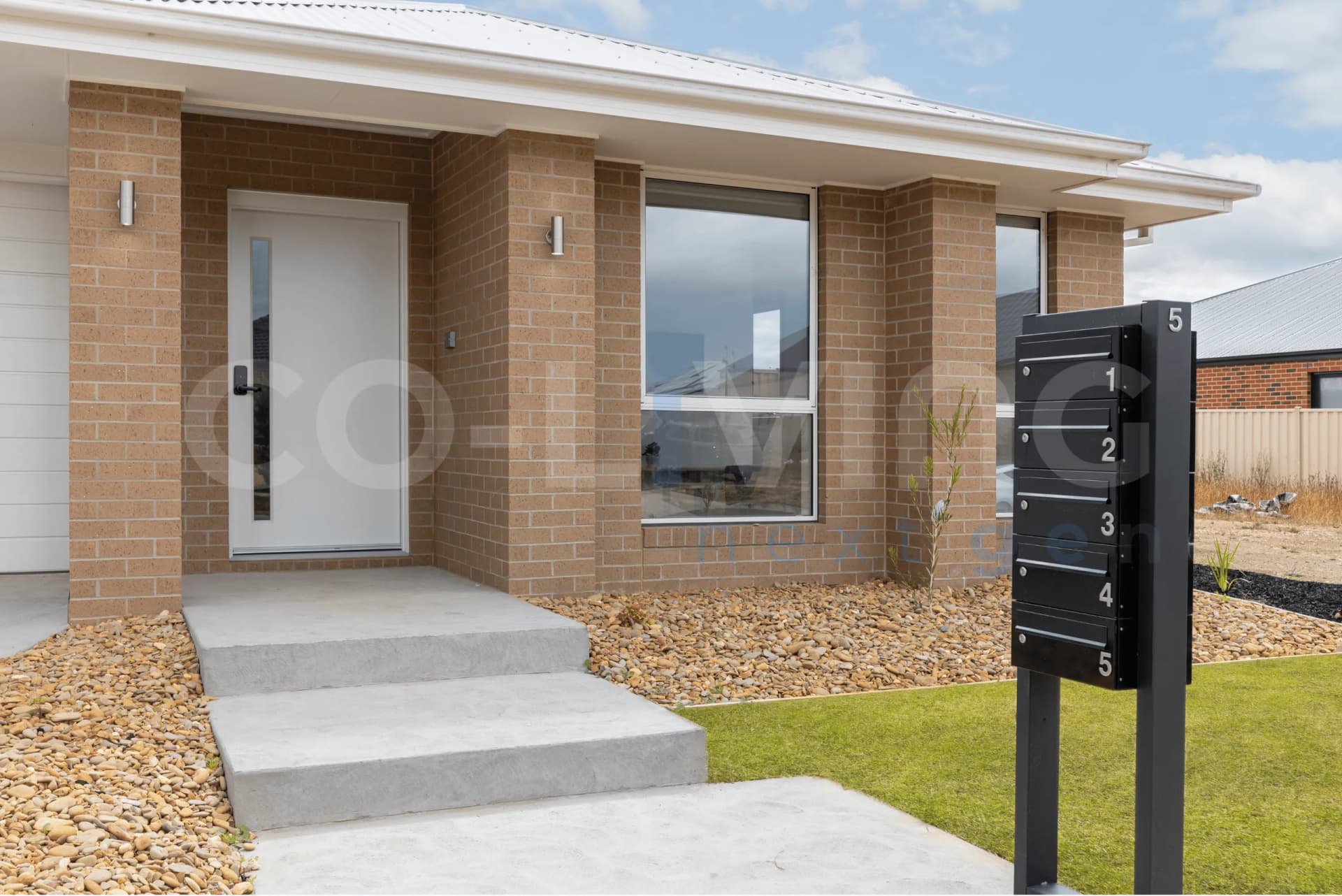
Property Investment Tips
Property is one of the most popular asset classes in Australia, and it is easy to see why. An investment property is a tangible asset that can deliver two things at once: a rental income stream and long-term capital growth, with some potential tax benefits along the way. But there is a hard truth that the brochures gloss over: buying a property is easy; buying a good investment property is not.
Returns are not automatic. They are decided long before you sign a contract by the property you choose, the location it sits in, and the numbers you run before you commit.
This guide walks through the six things that actually separate a strong investment property from an expensive mistake. Work through every one of them before you buy, not after.

1. Location
Location is the single factor you cannot change after settlement. You can renovate a tired kitchen, refinance a bad loan, or replace a poor property manager, but you can never move the house. That makes it the first thing to get right.
A strong investment location is not about how a suburb "feels". It is about measurable fundamentals:
Proximity to jobs, transport and amenities: Properties close to employment hubs, public transport, schools, shops and healthcare attract a deeper pool of tenants and hold their value through downturns.
Population growth: Suburbs with rising populations and government-backed infrastructure investment tend to see sustained demand for housing — and sustained pressure on prices.
Supply and the local market: A flood of new apartments or land releases can cap both rents and capital growth. Limited supply against rising demand does the opposite.
Some investors buy in their own suburb because they know it well and can keep an eye on the property. Others look interstate or to regional growth corridors for better value and stronger growth prospects. Either approach can work, but what matters is that the decision is backed by research, not proximity or convenience.
2. Capital Growth Potential
Capital growth is the increase in your property's value over time, and for most investors it is where the real wealth is built. A property that grows steadily in value lets you build equity, refinance, and expand a portfolio. One that flatlines ties up your money for years with little to show for it.
The drivers of long-term capital growth are reasonably predictable:
Infrastructure investment: New transport links, hospitals, universities and major employers reshape demand and pull values up over the long term.
Constrained supply: Areas where new housing is hard to add tend to see prices rise faster as demand grows.
Growth corridors: Regions earmarked for population and economic expansion often start from an affordable base, giving more room for the value to climb.
Capital growth and rental yield often pull in opposite directions. High-growth blue-chip suburbs frequently deliver lower yields, while higher-yield areas may grow more slowly. Be clear about which one your strategy depends on before you buy.

3. Rental Demand and Yield
Rental income is what keeps an investment property serviceable while you wait for capital growth. Weak rental demand turns a property into a cash drain; strong demand keeps it tenanted and the income predictable.
Two numbers tell you most of what you need to know:
Vacancy rate: The proportion of rental properties sitting empty in the area. A low, stable vacancy rate signals tenants compete for housing which protects your income and supports rent increases over time.
Gross rental yield: Annual rent divided by the property price, expressed as a percentage. It is the quickest way to compare the income performance of one property against another.
Look beyond the headline figure to the depth of the tenant pool. Who actually wants to live there- key workers, students, young professionals, families? An area with diverse, sustained demand is far more resilient than one that relies on a single employer or industry.

4. Renovation Potential
The best investment properties often have something you can improve. Renovation potential is the opportunity to add value through your own effort and capital- what investors call "manufactured equity" rather than waiting passively for the market to lift.
A cosmetic update to a dated kitchen or bathroom, a fresh layout, or adding a bedroom can lift both the property's value and the rent it commands. But there is a clear line to watch:
Add value, don't over-capitalise: Spending $100,000 on renovations that add $60,000 of value destroys capital. Always check that the work will lift the property's worth by more than it costs in the local market.
Match the area: A luxury fit-out in a modest suburb rarely pays for itself. Renovate to the standard tenants and buyers in that market actually expect.
Cost it before you buy: Build realistic renovation costs into your purchase numbers, not optimistic estimates. Trades, materials and timelines almost always run higher than first assumed.
5. Price, Affordability and Cash Flow
Every investment should be assessed on its own merits and risks. Over the long term, the expected return, income plus capital growth needs to exceed your borrowing and holding costs. The way to know whether it will is to model the numbers before you commit, and to model the worst case, not the best.
Run the property through scenarios that test it under pressure:
Interest rate rises: What happens to your repayments if rates climb one or two percentage points?
Extended vacancy: Can you cover the mortgage if the property sits empty for a month or more?
Higher costs: What if maintenance, rates, insurance or property management cost more than you assumed?
The goal is to make sure the investment does not put your household under financial stress. Keep a borrowing buffer, do not stretch to the maximum loan a lender will offer, and make sure the cash flow works even when several things go wrong at once.
6. Property Condition and Compliance
The condition of the building, and its legal standing, can quietly make or break the return. A property that looks fine on inspection day can hide expensive structural, plumbing or electrical problems that eat years of rental income.
Get independent inspections: A professional building and pest inspection before purchase is non-negotiable. It is a small cost against the size of the asset, and it gives you either peace of mind or a reason to renegotiate.
Check zoning and legal status: Confirm the property is zoned for its intended use and that any structures, extensions or conversions are approved and compliant. Unapproved work becomes your liability the moment you settle.
Account for ongoing holding costs: Council rates, insurance, body corporate fees, land tax and maintenance all reduce your net return. Factor every one of them into your cash-flow model.
Compliance is especially critical for higher-yield strategies. The moment a property is used differently from a standard rental, additional registration and building standards can apply and getting them wrong can void insurance or stop the property operating legally.
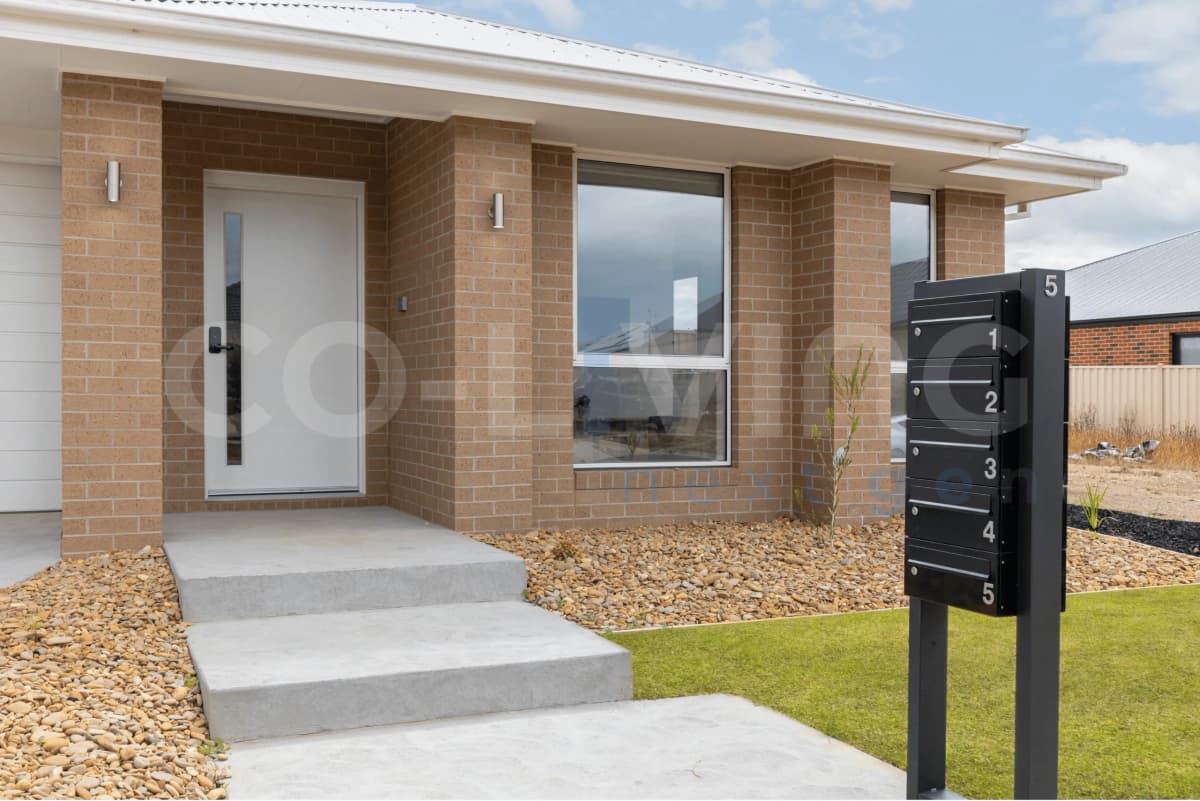
Want a Property That Hits All Six? Consider Co-Living.
Work through those six checks and a pattern emerges: the best investment properties combine a strong location, real capital growth potential, deep rental demand, healthy yield, robust cash flow, and a compliant, well-built asset. The hard part is finding all six in the one property.
This is exactly why co-living has become one of the standout property investment vehicles of 2026 and beyond.
A purpose-built co-living home is leased room by room rather than as a single dwelling, which changes the maths in two powerful ways:
More rent from the same building: Multiple rooms each generating rent can more than double the weekly income of a standard single-family lease in the same suburb — lifting gross yield well above the area average.
Vacancy risk spread across every room: With several separate leases, the property is almost never 100% empty. If one room turns over, the others keep paying — unlike a single-tenant rental where vacancy is all-or-nothing.
Done properly in a researched growth location, purpose-built to the right standards, correctly registered, and managed by specialists- co-living delivers strong yield and long-term growth from a compliant asset. That is the combination most investors spend years chasing!
To learn more about how co-living works as an investment and why it is one of the best property investment vehicles get in touch with us, the Co-Living NextGen team or explore our NextGen packages.